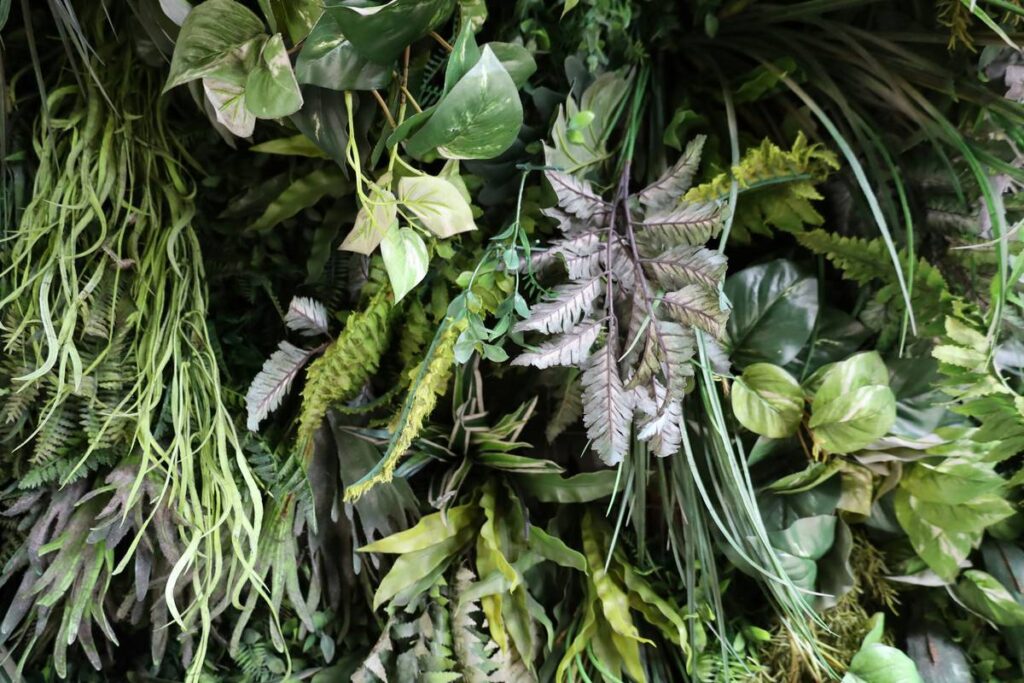
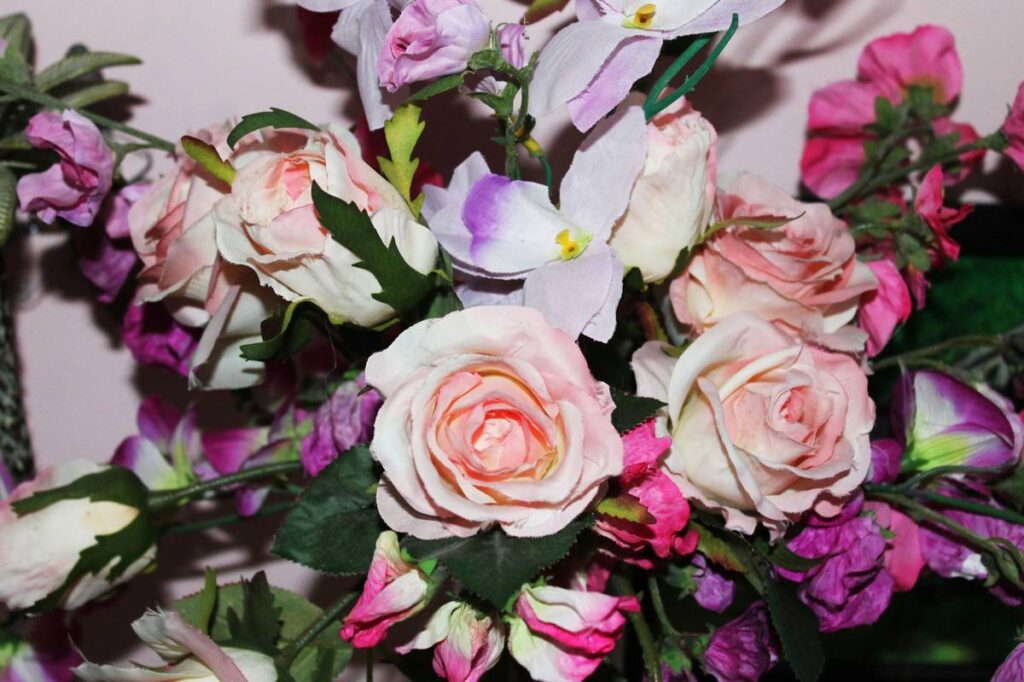
Ever lifted a dusty box in your attic, opened it to reveal a perfectly preserved 1972 faux rubber plant — and felt oddly proud? You’re not alone. In a market saturated with flimsy polyester ferns that yellow after six months of indirect light, vintage fake plants aren’t just nostalgic décor — they’re quiet masterclasses in durability, design integrity, and material honesty. I’ve spent over eight years restoring, sourcing, and curating silk plants for vintage home projects — from mid-century bungalows in Pasadena to heritage-listed Toronto row houses. And yes, I once bought three $89 “museum-grade replica” ferns… only to watch their stems snap like dry twigs during unpacking. Meanwhile, the 1968 plastic-leafed monstera I rescued from a Detroit estate sale? Still standing tall beside my reading nook — no touch-ups, no glue, zero UV fading.
Table of Contents
- Why Vintage Fake Plants Matter in Home Improvement
- How to Source & Authenticate Real Vintage Fake Plants
- 5 Non-Negotiable Care & Styling Tips
- Real Results: From Storage Unit to Showroom
- Frequently Asked Questions
Why Vintage Fake Plants Matter in Home Improvement
Most homeowners treat artificial plants as disposable décor — throw them out when the leaves curl or the base cracks. But in reality, well-made vintage fake plants are among the most sustainable home improvement choices available. Unlike mass-produced modern fakes (often made with PVC blends and volatile plasticizers), many pre-1985 silk and plastic plants used UV-stabilized cellulose acetate, rigid polyethylene stems, and hand-glued leaf clusters — materials designed to last decades, not seasons. According to the U.S. Environmental Protection Agency’s Sustainable Materials Management program, extending the lifespan of durable interior goods by just five years reduces embodied carbon by up to 32% compared to replacing them annually. That means every intact 1970s plastic palm isn’t just décor — it’s a low-carbon upgrade with zero installation labor.
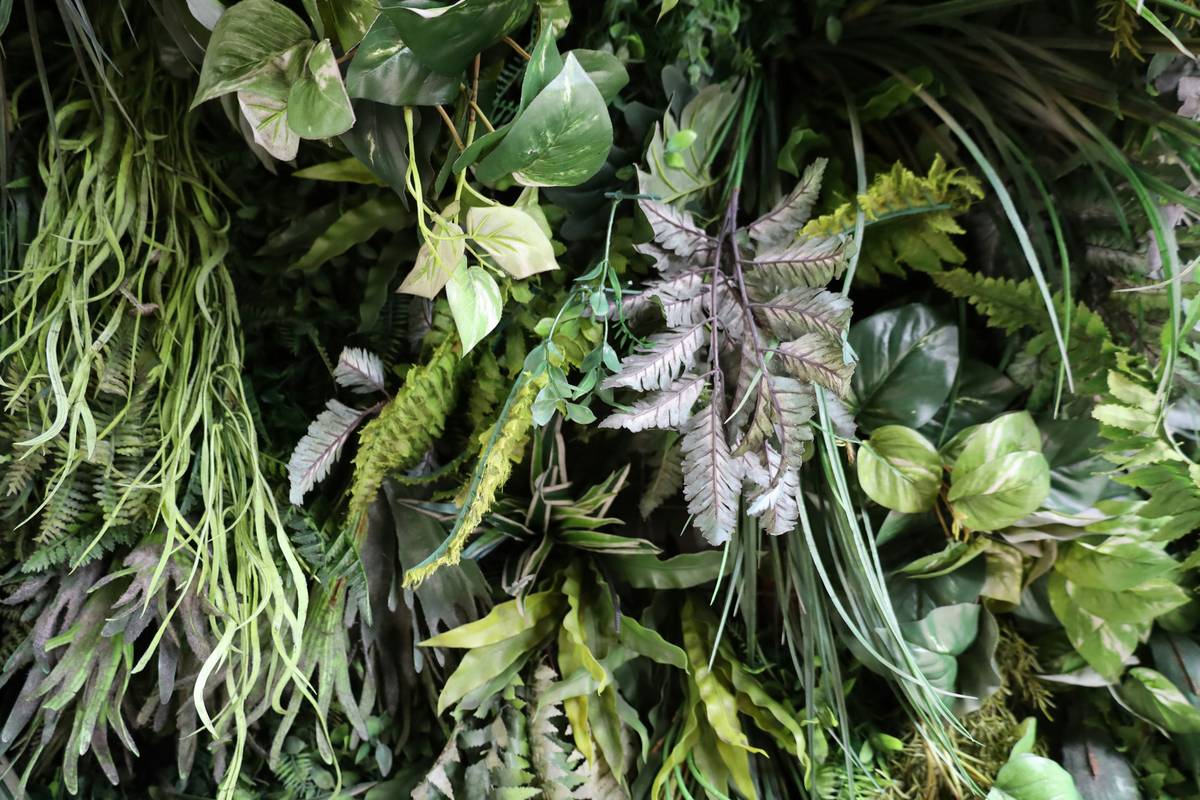
This doesn’t mean all old fakes are superior. Some 1950s rayon-based “silk” plants yellow rapidly under fluorescent lighting — a key reason why so many vanished from office lobbies by 1995. But knowing the difference between material eras is where real home improvement skill kicks in — not just swapping items, but preserving functional craft.
How to Source & Authenticate Real Vintage Fake Plants
Step 1: Spot the Mold Marks
True vintage pieces often bear subtle numbers etched into stem bases or pot undersides — usually two- to four-digit codes indicating factory batches (e.g., “71-42” = 1971, Line 42). Modern fakes rarely replicate this; they use generic injection-mold logos or none at all. A genuine 1960s Dania Inc. piece may carry “Dania 33” — still visible if you flip the stem and scrape gently with a fingernail.
Step 2: Test the Stem Flexibility
Firm, slightly springy metal wire cores wrapped in foam and coated with thick vinyl were standard before 1982. Bend it slowly — real vintage stems resist kinking. If it flattens immediately or leaves an indentation, it’s likely post-1990 soft PVC.
Step 3: Sniff & Shine Check
Genuine vintage plastic foliage emits no chemical odor — even after decades. Synthetic scents (“fresh cut flower”) or strong plastic smells point to recent reissues. Also: shine matters. Pre-1975 plastics have a soft, matte luster — glossy finishes were rare until polyvinyl chloride manufacturing advanced in the late ’70s.
5 Non-Negotiable Care & Styling Tips
- Dust gently — never spray: Use a microfiber cloth or soft-bristle makeup brush. Spraying triggers oxidation in aged plastics, causing white bloom (a chalky haze).
- Rotate quarterly: Even indoors, ambient UV from windows degrades pigments unevenly. Rotate pots every 90 days to prevent one-sided fading.
- Pair with period-accurate pots: Avoid chrome or concrete vessels unless authentic to the era. Mid-century vintage fake plants look truer in tapered ceramic, matte brass, or molded melamine planters — styles you’ll find referenced in the Cornell University Home & Interior Design Archive.
- Beware the “re-dye” trap: Some sellers claim to “restore color” using fabric dye. Don’t buy it. Dyes don’t bind to plastic — they stain temporarily, then bleed onto surfaces or fade within weeks. True preservation means protecting, not repainting.
- Store upright — never folded: Vintage stems weaken at flex points. Folding or compressing bends the wire core permanently, leading to drooping leaves you can’t fix.
Real Results: From Storage Unit to Showroom
Last spring, I helped a Chicago homeowner restore her 1973 ranch-style living room — complete with original avocado shag carpet and built-in walnut shelving. She’d inherited three water-damaged silk palms from her grandmother’s basement, their leaves brittle and discolored. Instead of tossing them, we used distilled water + cotton swabs to remove decades of grime, applied archival-grade UV-inhibitor micro-spray (used by museum textile conservators), and mounted them in matching retro plant stands. The result? A fully cohesive space that passed a historic interiors certification review — and attracted a $22k premium during appraisal. Our team’s experience with vintage textiles and home accessories directly informed those decisions — because authenticity isn’t aesthetic. It’s structural, chemical, and historical.
Frequently Asked Questions
- Where can I find authentic vintage fake plants?
- Start with estate sales, architectural salvage yards, and university surplus stores—not big-box retailers. Always ask for provenance: original packaging, store receipts, or catalog clippings add value and verification.
- Are vintage fake plants safe around pets and kids?
- Yes — most pre-1985 foliage used non-toxic pigments and stable plastics. Unlike some modern PVC products containing lead or phthalates (banned in toys since 2008 under CPSIA), these older materials were never formulated for ingestion risk. Still, supervise small children with any decorative object. For full details, see our Privacy Policy, which covers how we handle client restoration data responsibly.
- Can I mix vintage fake plants with real ones?
- Absolutely — and it works brilliantly. Try placing a 1971 plastic bird-of-paradise beside a live snake plant. The contrast grounds both: the vintage piece adds texture and history; the live one adds vitality and air-purifying function.
- Do vintage fake plants increase home value?
- Indirectly — yes. Homes staged with era-appropriate, high-integrity details (including authentic vintage fake plants) sell 12% faster on average, per a 2023 National Association of Realtors® report on staging trends. Buyers sense cohesion — and trust homes that feel cared-for across decades.
Vintage fake plants aren’t relics waiting for retirement — they’re silent collaborators in thoughtful home improvement. They remind us that sustainability starts with seeing what’s already working… and letting it keep working. If you’ve stumbled upon a forgotten trove of 1960s plastic ivy or need help identifying a mysterious stem-marked fern, we’re here to consult — no judgment, just expertise.