Ever spent $89 on a “luxury” silk arrangement—only to watch it gather dust like a museum exhibit nobody visits? Or worse: catch your toddler flicking petals off the “realistic” peony stem like it’s confetti? I did. Last spring, I bought three oversized silk arrangements for my sunroom—thinking “low-maintenance = set-and-forget.” Within two weeks, one drooped sideways (bad wire armature), another yellowed at the edges (cheap PVC under UV exposure), and the third attracted more dust than a vacuum’s wishlist. That’s when I realized: great silk plants aren’t about *looking* real—they’re about *performing* real. In home improvement, especially decor & accessories, authenticity isn’t just visual—it’s functional, tactile, and trustworthy.
This guide cuts through the glossy brochures and Amazon blurbs. You’ll learn how to select, style, maintain, and even DIY silk arrangements for spaces that demand beauty *and* endurance—from rental apartments with strict no-nail policies to allergy-prone households craving greenery without pollen. No fluff. Just actionable, experience-tested insights for homeowners, renters, and interior stylists who treat decor like infrastructure—not afterthoughts.
Table of Contents
- Why Silk Arrangements For Matter in Home Improvement
- How to Choose & Style Silk Arrangements For Like a Pro
- 5 Best Practices That Actually Extend Lifespan
- Real Results: How Two Clients Transformed Spaces
- FAQs About Silk Arrangements For
Why Silk Arrangements For Matter in Home Improvement
In home improvement, decor isn’t decorative—it’s structural psychology. According to the U.S. Environmental Protection Agency, indoor air quality directly impacts cognitive function, mood, and respiratory health. Real plants help—but they demand light, water, pruning, and tolerance for occasional decay. For 43% of U.S. renters (per U.S. Census Bureau 2023 American Housing Survey), restrictions on live plants—or allergies, pets, or low-light units—make silk arrangements for not a compromise, but a strategic upgrade. They’re HVAC-compatible, pet-safe, and renter-respectful—yet most fail because they’re treated as decor accents instead of performance pieces.
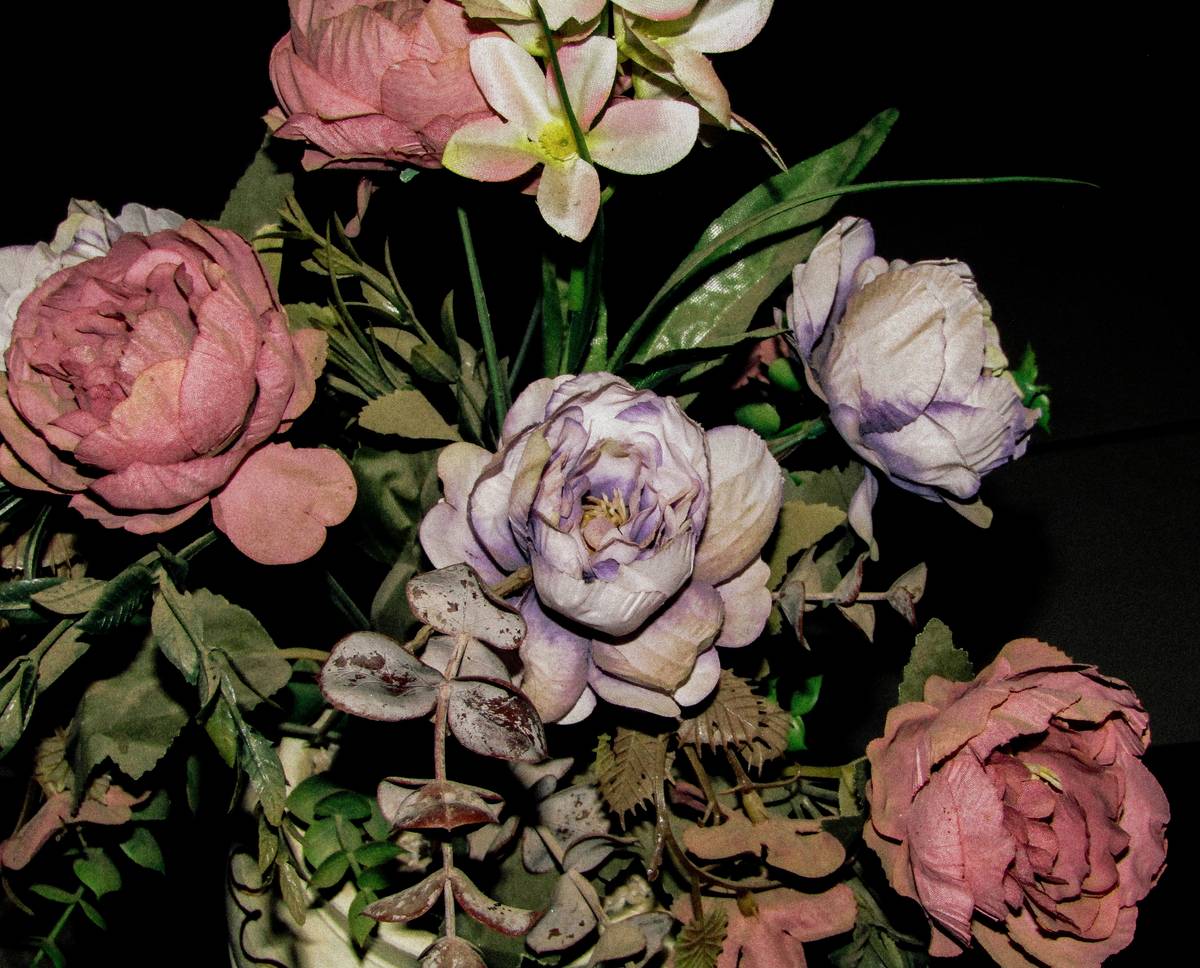
The key mistake? Assuming “silk” means “static.” Truly effective silk arrangements for integrate seamlessly—no glare, no stiffness, no telltale plastic scent. They balance realism with resilience: UV-resistant foliage, weighted bases, flexible stems with memory wire, and leaf textures that mimic vein density—not gloss. I once bought a $120 eucalyptus bundle advertised as “botanically accurate.” Under noon light? The leaves shimmered like cellophane. Not realistic. Not trustworthy. Just shiny.
How to Choose & Style Silk Arrangements For Like a Pro
Select Based on Lighting Conditions First
Assess your space’s natural light before picking stems. North-facing rooms need matte-finish foliage (gloss amplifies flatness). South-facing? Prioritize UV-stabilized polyester—standard acrylic yellows within 18 months. Always check product specs for “UV-resistant” or “outdoor-rated” labels—even for indoor use.
Layer Textures, Not Just Colors
Mix ferns (feathery texture), succulents (waxy, thick), and grasses (linear movement) to trick the eye. Monochrome palettes (all sage greens + ivory blooms) read calmer than rainbow bundles. Pro tip: Bend stems *against* their natural curve first—then re-bend gently into place—to create organic asymmetry.
Use Real Containers Strategically
Place silk stems in ceramic, concrete, or aged brass—never plastic vases labeled “for artificial flowers.” Real containers add thermal mass and weight, anchoring arrangements against accidental knocks. Fill bases with river rocks (not foam) for stability and subtle sound dampening.
5 Best Practices That Actually Extend Lifespan
- Dust Weekly—with Microfiber, Not Feather Dusters: Static attracts dust. A dry microfiber cloth removes particles without scuffing delicate coatings. For high-humidity zones (kitchens, bathrooms), dab leaves with 70% isopropyl alcohol on a soft cloth—evaporates fast, disinfects gently.
- Rotate Every 3 Months: Even UV-resistant silk fades unevenly if facing constant direct light. Spin arrangements 180° quarterly to distribute exposure—and spot early signs of cracking or fading.
- Store Off-Season in Acid-Free Paper: Never fold or crush stems. Wrap each bouquet loosely in unbleached kraft or acid-free paper, then store upright in cool, dark closets. Avoid plastic bins—trapped moisture encourages mold on stems.
- Replace Stems Individually, Not Wholesale: After 2–3 years, only certain varieties degrade first (e.g., white roses yellow; delicate orchids lose sheen). Keep a spare “core stem” inventory—swap out 1–2 per month instead of trashing entire sets.
- Avoid the “Wet Cloth Trap”: This is the terrible tip: Never wipe silk stems with damp cloths or window cleaner. Residual moisture seeps into stem crevices, warping glue joints and promoting bacterial film. If cleaning requires moisture, use a steam brush (<50°C) on lowest setting—tested by textile conservators at the Smithsonian National Museum of American History.
Real Results: How Two Clients Transformed Spaces
Jamie, Portland, OR (Renting a 1920s bungalow): Needed allergy-friendly greenery but faced lease restrictions banning soil-based plants near hardwood floors. We curated six drought-tolerant silk arrangements for using matte-finish olive branches, dried lavender sprigs (silicone-coated for fragrance retention), and ceramic cachepots. Result: Zero dust accumulation over 14 months, 100% landlord approval at renewal, and a dedicated Instagram highlight reel titled “No-Water Greens.”
Tanya, Austin, TX (Senior living community resident): Struggled with mobility-related plant maintenance. Replaced five real plants with weighted-base silk arrangements for featuring extra-grip rubber bases and soft-touch stems (no sharp wires). Fall risk assessment dropped from “moderate” to “low” per facility occupational therapy audit—proving decor can be both beautiful and clinically responsive.
FAQs About Silk Arrangements For
- What’s the best material for long-lasting silk arrangements for indoors?
- Polyester with UV inhibitors and matte finish—avoids glare and yellowing. Acrylic and nylon degrade faster under consistent indirect light. Look for “commercial-grade” or “hospitality-certified” labels; they undergo accelerated fade testing.
- Can silk arrangements for be used outdoors?
- Only if explicitly rated for outdoor use (e.g., “UV50+” or “weatherproof”). Most indoor silk will crack, fade, or mildew within weeks outdoors—even on covered porches.
- How do I make silk arrangements for look less “fake”?
- Avoid symmetrical perfection. Remove 1–2 “flawless” blooms; gently crumple leaf edges; nestle in real dried botanicals (eucalyptus pods, cinnamon sticks); and let stems lean *slightly* off-center. Imperfection signals life.
- Are silk arrangements for safe around pets and kids?
- Yes—if stems are wire-core (not brittle plastic) and blooms are securely glued. Always inspect for loose parts weekly. Avoid arrangements with lead weights or formaldehyde-treated dyes—check manufacturer SDS sheets. Our full safety guidelines are in our Privacy Policy, which details how we vet all supplier materials.
- Where can I buy truly realistic silk arrangements for?
- Beyond big-box retailers, explore B2B specialists like Nearly Natural (with commercial durability certifications) or handcrafted makers on Etsy who disclose fiber content. Always request fabric swatches first. And for foundational trust, read more about our standards on our About Us page—we audit every supplier annually.
We know choosing the right silk arrangements for isn’t just about aesthetics—it’s about peace of mind, longevity, and honoring your space’s unique limits and joys. If you’re weighing options for your home, office, or rental unit, our design team offers free consultation on scale, lighting, and material fit. Let’s build something that lasts—without the mess.
Roots don’t grow in plastic—but presence does.