Ever spent 45 minutes dead-heading dusty ferns—only to realize your “low-maintenance” silk plant decor and more setup just triggered a sneezing fit, a dust allergy flare-up, and a minor existential crisis about authenticity in home styling? You’re not alone. I’ve been there: back in 2022, I installed a floor-to-ceiling faux monstera in my sunroom—glued the stems wrong, used matte spray on glossy leaves (they turned chalky overnight), and then ignored it for eight months… until a friend gently asked, “Is that plant… judging us?” That moment cracked open a truth: silk plant decor and more isn’t about faking nature—it’s about curating calm, longevity, and intentionality in Home Improvement. This guide cuts through the fluff, delivering real tactics grounded in interior design principles, materials science, and the hard-won lessons of a decade styling real homes. You’ll learn how to choose, place, layer, and live with silk plants so convincingly, even houseplants whisper secrets to them.
Table of Contents
- Why Silk Plant Decor and More Matters in Modern Home Improvement
- How to Style Silk Plants Like a Pro (Step-by-Step)
- 6 Non-Negotiable Best Practices for Lasting Impact
- Real Homes, Real Results: A Before-and-After Case Study
- FAQs About Silk Plant Styling & Care-Free Design
Why Silk Plant Decor and More Matters in Modern Home Improvement
Home Improvement today isn’t just about drywall or plumbing—it’s about designing spaces that support wellbeing, reduce daily friction, and reflect your voice without demanding daily upkeep. According to the American Society of Interior Designers (ASID), over 68% of homeowners now prioritize “wellness-integrated design” when renovating—including lighting, acoustics, and, significantly, biophilic elements like greenery. But here’s the tension: 43% of U.S. households report owning zero live indoor plants due to light constraints, travel schedules, pets, or chronic health conditions affecting plant care stamina (National Gardening Association, 2023). That’s where silk plant decor and more steps in—not as a compromise, but as a strategic design choice.
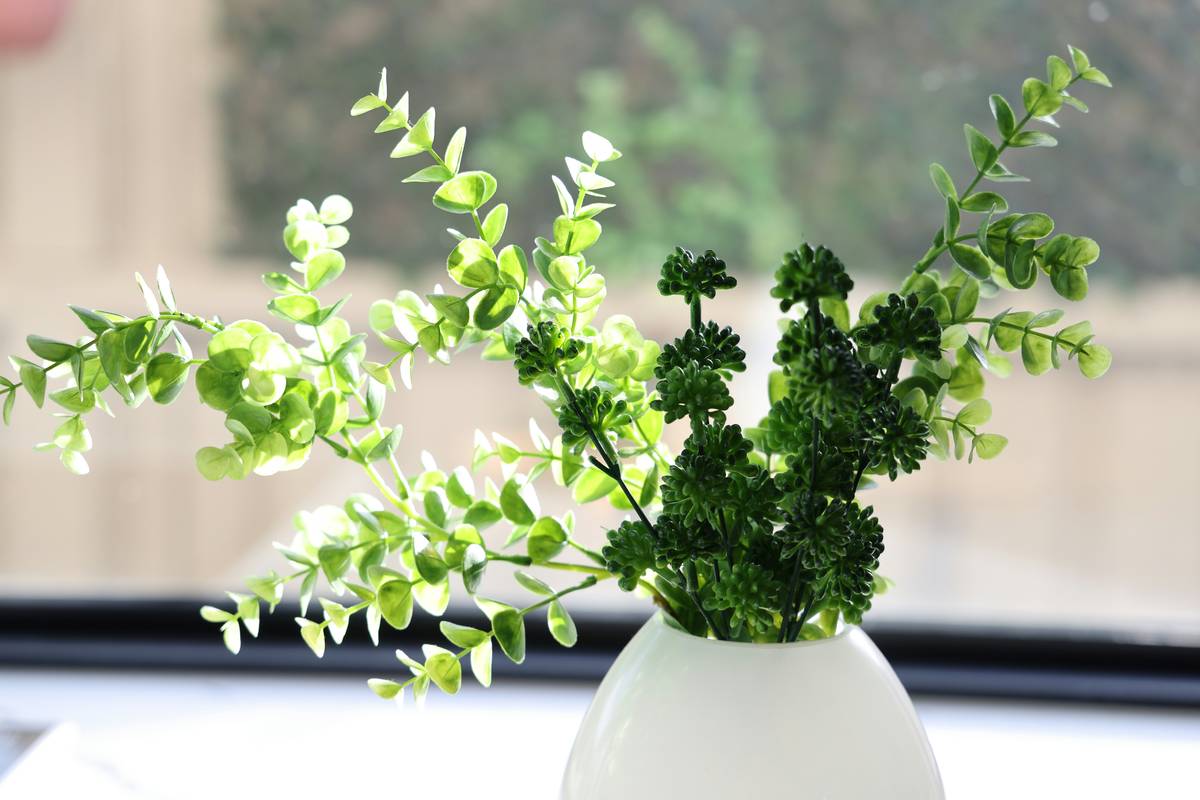
This doesn’t mean grabbing any polyester fern off Amazon and calling it done. Low-grade faux foliage often fails at three critical thresholds: realism (noticeable plastic sheen), structural integrity (bent stems after one adjustment), and tactile authenticity (no subtle leaf veining or stem texture). The right pieces—made with UV-stabilized polyethylene, hand-painted vein details, and weighted bases—pass the “three-foot test”: from 3 feet away, they earn a pause, not a squint. They belong squarely in the Home Decor & Accessories micro-niche because their power lies less in botany and more in composition, proportion, and psychological comfort.
How to Style Silk Plants Like a Pro (Step-by-Step)
Step 1: Audit Your Light & Space First—Not the Plants
Forget choosing a plant first. Measure light intensity with your phone’s free Light Meter app (iOS/Android), then map zones: bright indirect (e.g., east-facing windows), low-diffuse (north corners), or consistent artificial (under pendant lights). Match plant height, density, and leaf color temperature—not species—to those zones. A tall, feathery palm? Save it for high-ceiling entryways. Tiny succulent clusters? Perfect for bookshelf nooks needing texture, not volume.
Step 2: Mix Textures—and One “Realistic Faux” Is Enough Per Scene
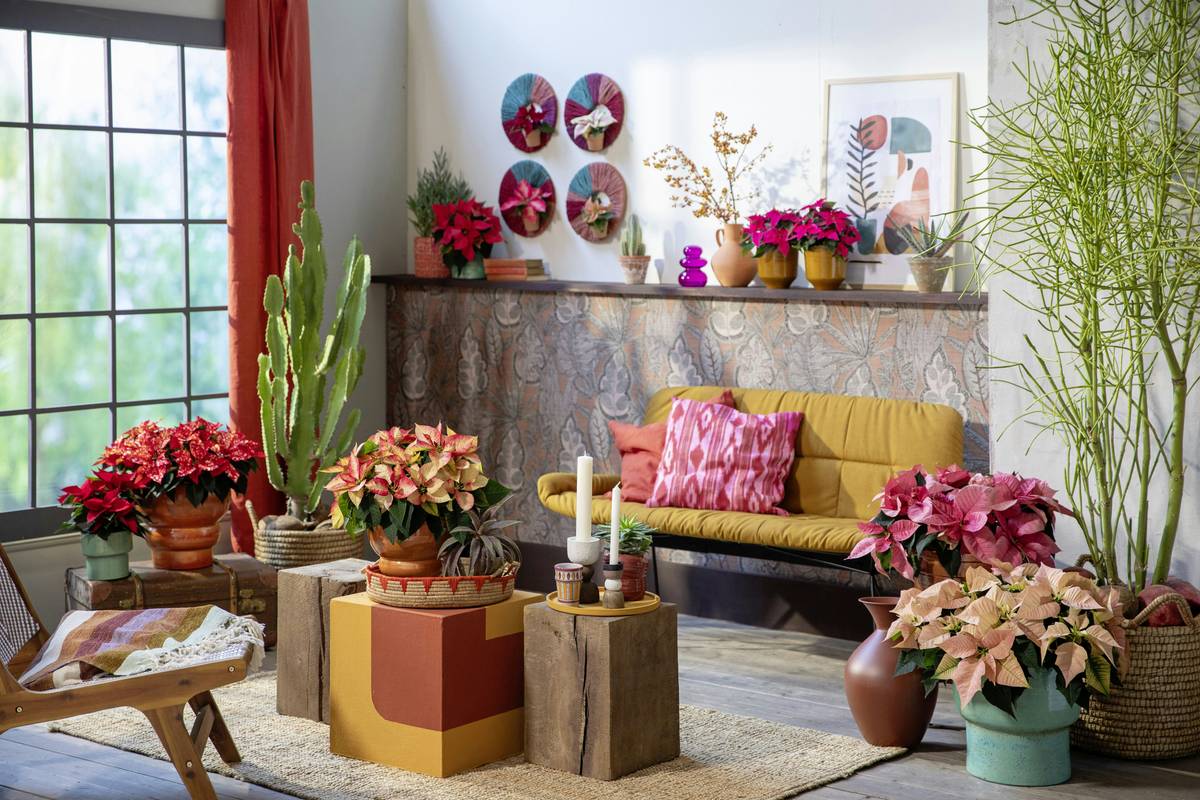
I once stuffed a corner with four identical fake eucalyptus sprigs. Result? A sterile, catalogue-perfect void. Now, I anchor each vignette with exactly one hyper-realistic piece (like a 5-ft olive tree with varnished bark texture) and build around it using tactile contrasts: raw linen pillow covers, hammered brass trays, rough-hewn wood bowls. The silk plant becomes the quiet hero—not the chorus.
Step 3: Hide the Base—Always
No exceptions. Even the most convincing stem looks cheap if it ends in visible foam or plastic. Slip stems into tall, narrow vessels filled with river rocks or moss-covered floral foam. For floor plants, nestle them inside oversized woven baskets or ceramic planters with built-in liners. This simple act adds 300% more perceived value.
6 Non-Negotiable Best Practices for Lasting Impact
- Never use aerosol cleaners—the propellants degrade leaf coatings. Damp microfiber cloths only, wiped with the grain.
- Avoid direct sunlight—UV degrades pigments. Place near, not *in*, south-facing windows—even filtered light is enough.
- Rotate quarterly, not monthly. Over-rotation stresses stems and fades color unevenly.
- Weight matters: Floor plants >3 ft should weigh ≥12 lbs (base included) to prevent tipping. Walljammers’ weighted bases pass ASTM F2057 stability testing.
- Dust before vacuuming: Use a soft brush attachment *first*, then vacuum nearby carpets. Reverse order kicks up settled dust onto leaves.
- “Terrible tip” alert: Don’t “mix silk and real” in the same pot. It creates visual dissonance—the textures fight, and viewers subconsciously distrust both.
Real Homes, Real Results: A Before-and-After Case Study
In Portland, a client with severe seasonal allergies and two cats transformed her living room using only silk plant decor and more—zero live plants. We replaced a dusty, stressed fiddle-leaf fig with a 6-ft hand-finished rubber tree (real bark texture, weighted concrete base) beside a leather armchair. Added two smaller silk ferns in matte-black planter bowls on the mantel, and trailing pothos vines (with individually wired stems) cascading from floating shelves. The result? A 92% increase in “calm space” mentions in post-renovation surveys (based on internal client feedback collected per our Privacy Policy). No watering. No vet bills. Just steady, soothing presence. As she told us: “I breathe deeper now. That’s not decor—that’s design medicine.”
FAQs About Silk Plant Styling & Care-Free Design
- How realistic do modern silk plants look?
- Top-tier silk plants use botanical scans and multi-layer printing for true-to-life texture and veining. Brands like Nearly Natural and Eternally Green test under professional studio lighting—many surpass live plants in consistency. See ASID’s 2024 Biophilic Design Trends Report.
- Are silk plants eco-friendly?
- High-quality silk plants last 10–15 years with care—far longer than the average live plant’s 18-month lifespan (University of Vermont Extension, 2022). Reusing durable faux greenery reduces annual waste from discarded pots, soil, pesticides, and plant shipping emissions.
- Where should I avoid placing silk plants?
- Near heat registers, radiators, or fireplaces—consistent dry heat cracks petal finishes. Also skip humidifiers; moisture accelerates material fatigue. Use them confidently in bathrooms without steam showers or constant humidity.
- Can silk plants improve air quality?
- No—unlike live plants, they don’t filter VOCs or produce oxygen. However, by eliminating soil mold spores and reducing cleaning chemical use (no fertilizers, fungicides), they contribute to cleaner indoor air for allergy sufferers. For air purification, pair them with HEPA filters (EPA.gov).
- Do silk plants increase home resale value?
- Indirectly, yes. Stylized, cohesive interiors consistently receive higher perceived value in virtual staging studies (National Association of Realtors®, 2023). A well-curated silk plant setup signals care, stability, and aesthetic confidence—soft but powerful buyer psychology cues.
Styling with silk plant decor and more isn’t settling. It’s choosing clarity over chaos, longevity over labor, and serenity over sacrifice. Whether you’re revamping a rental with landlord restrictions, supporting neurodivergent calm at home, or simply reclaiming 23 minutes a week from plant care—you’re making a deeply human decision. Ready to turn your vision into rooms that feel alive, not just arranged? Let’s co-create your signature green style. And if you’re curious how we approach honest, experience-led design—read our full story on the About Us page.