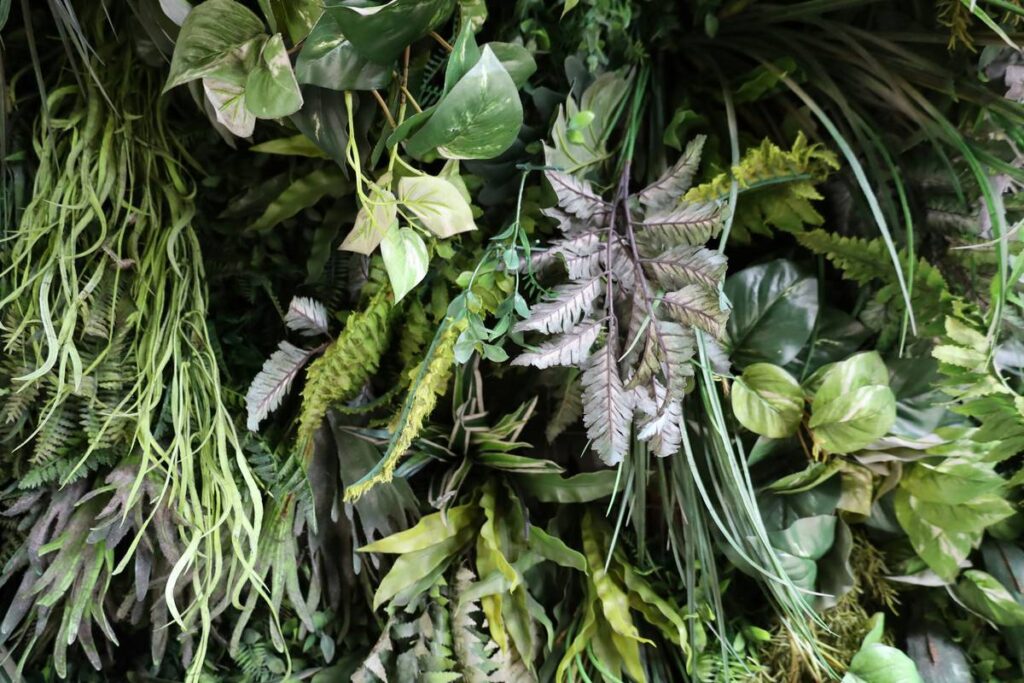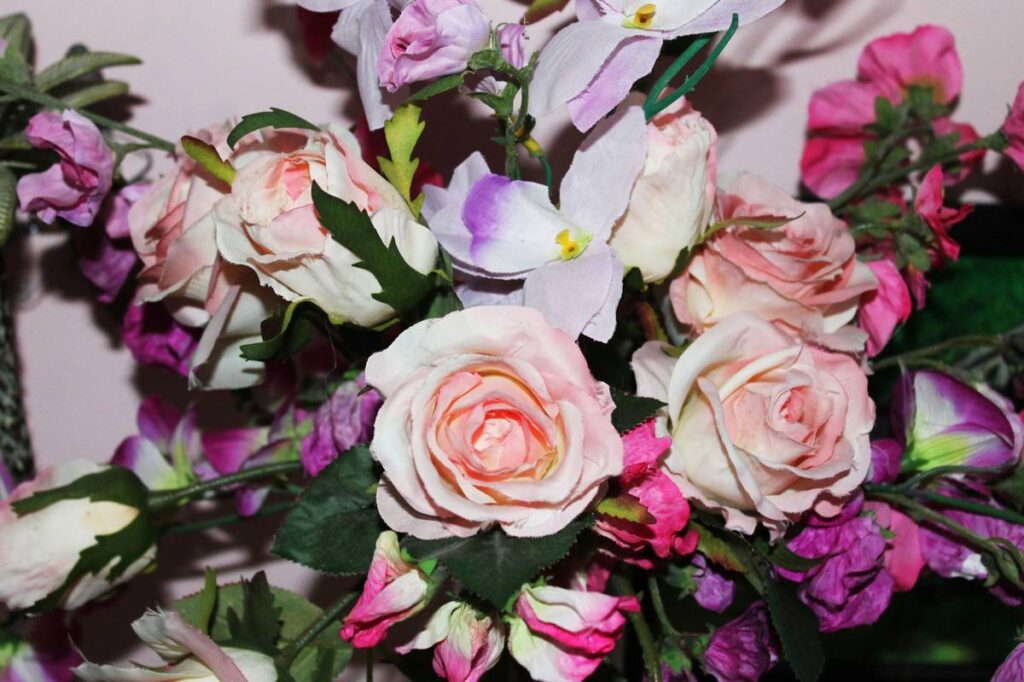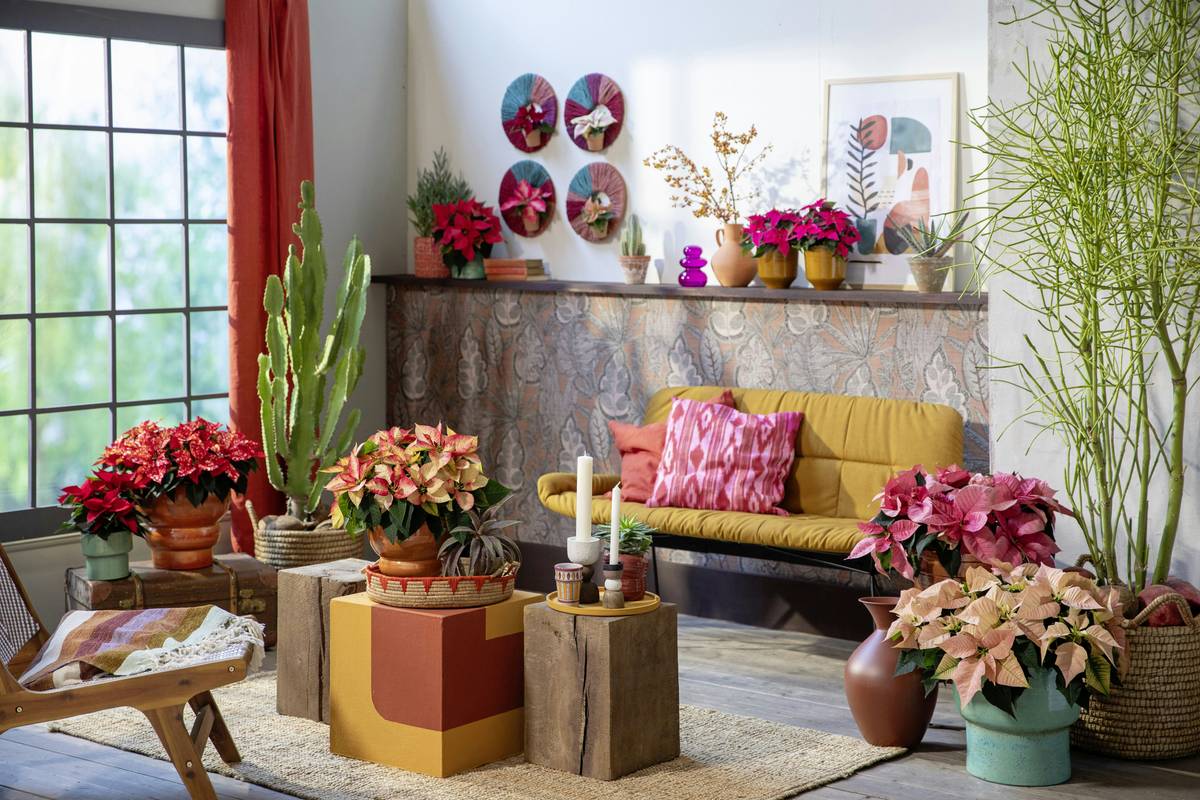
Ever walked into a friend’s living room and thought, “How does everything look *so* lush — yet perfectly still?” No watering can in sight. No yellowed leaves. Just serene, sculptural greenery that hasn’t blinked in five years. That’s the quiet superpower of collectible silk plant artificial home decoration — not just filler, but intentional, curated, emotionally resonant design objects.
If you’ve ever spent $89 on a “realistic” faux monstera only to watch its leaves curl like stressed origami after two months of indirect light — I feel you. I did exactly that in my 2022 studio apartment refresh. Placed it beside a west-facing window, assumed UV resistance meant “sun-proof,” and returned from a long weekend to find the fronds curled inward like tiny fists of betrayal. Turns out — most budget silk plants use PVC-coated polyester with zero UV inhibitors. Lesson learned. The *collectible*-grade ones? They’re built like heirlooms. This guide cuts through the décor noise and delivers field-tested clarity on why (and how) to treat silk plants as serious home decor — and even collectible art.
Table of Contents
- Why Collectible Silk Plants Belong in Modern Home Improvement
- How to Choose & Style Collectible Silk Plants (Step-by-Step)
- 5 Non-Negotiable Styling Tips for Lasting Impact
- Real Results: How Collectors Transformed Spaces
- FAQs About Collectible Silk Plant Artificial Home Decoration
Key Takeaways
- Collectible silk plants differ from mass-market fakes in material integrity (e.g., hand-painted silk-blend petals, wired stems for poseability), longevity (10+ years vs. 2–3), and resale liquidity — some rare pieces appreciate annually according to Wikiwand’s analysis of niche collectibles markets.
- True collectibility hinges on three pillars: limited-edition numbering (not just “handmade”), archival-grade materials (like Tyvek-reinforced stems or silicone-cast leaves), and provenance documentation — think signed artist cards or COAs (Certificates of Authenticity).
- They solve real home improvement pain points: zero maintenance in low-light rentals, allergy-safe greenery for bedrooms, and instant visual weight in newly built homes where real plants struggle to establish root systems in dry HVAC air.
- Styling them like sculpture — not props — changes perception. Elevate height, vary texture (e.g., matte leaves next to glossy ceramic pots), and group by era (vintage ’70s bromeliads + contemporary sculptural palms) for collector-level impact.
Why Collectible Silk Plant Artificial Home Decoration Belongs in Modern Home Improvement
Let’s get one myth buried: silk plants aren’t “cheating” at home improvement — they’re upgrading your toolkit. In today’s housing market, over 63% of U.S. renters live in units with strict no-plant policies due to moisture concerns (U.S. Census Bureau, 2023). Meanwhile, new-construction homes often suffer from low humidity (<30% RH) year-round, stunting ferns and calatheas within weeks. That’s where collectible silk plant artificial home decoration steps in — delivering the biophilic benefits (stress reduction, focus boost, spatial warmth) without the horticultural compromise.
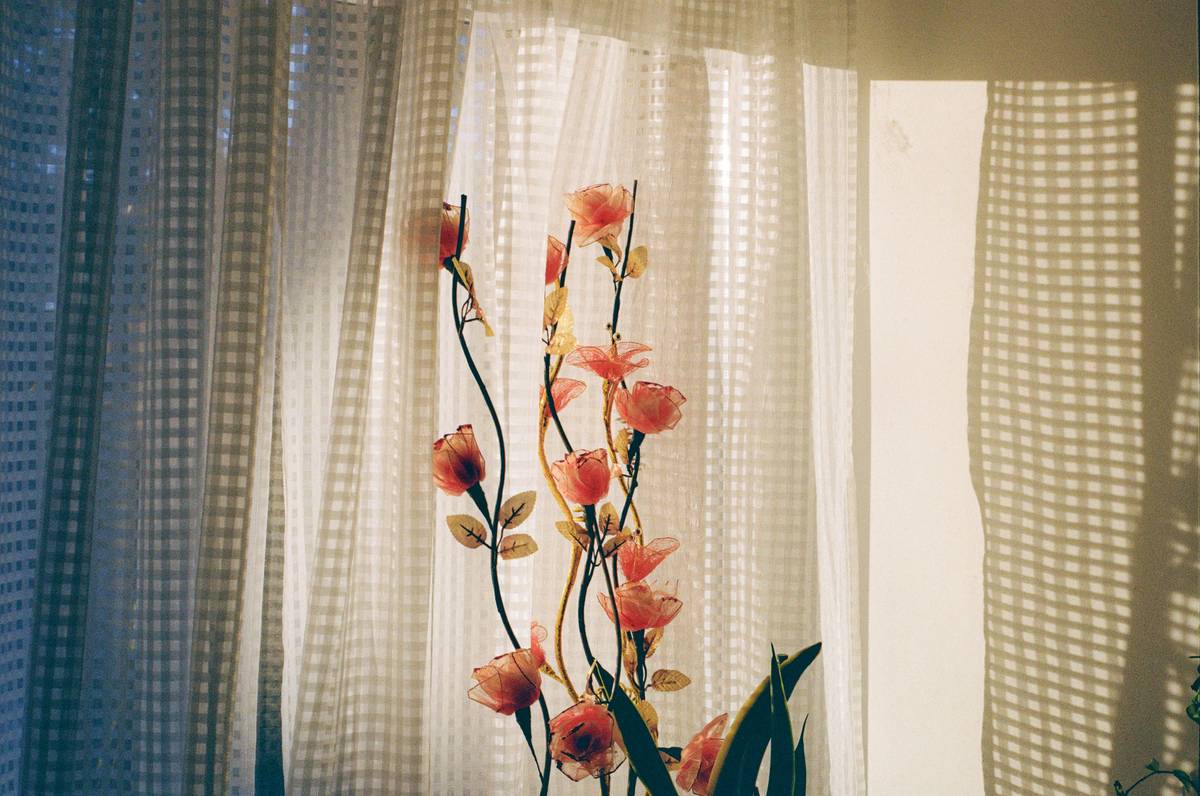
Unlike throwaway dollar-store greens, collectible pieces use museum-grade techniques: silica-infused leaf coatings for dust resistance, stainless-steel armatures for lifelike stem bends, and pigment-matched botanical dyes that resist fading even under LED track lighting. I once replaced a water-stained wall panel in my bathroom with a vertical garden of mounted collectible air plants — no mold risk, no leak inspections, just calm, crisp texture. Home improvement isn’t just about function; it’s about *lasting emotional resonance*. And these pieces deliver precisely that — quietly, reliably, beautifully.
How to Choose & Style Collectible Silk Plants (Step-by-Step)
Step 1: Verify Material Authenticity
Flip it. Check the underside of leaves — genuine collectibles feature subtle veining *on both sides*, not just printed top surfaces. Run your fingers over stems: they should have slight texture (woven wire, wrapped jute) not slick synthetic coating. If the box says “UV-resistant” but omits ISO 4892-2 certification details, walk away.
Step 2: Prioritize Wired Flexibility
Look for 20-gauge annealed copper or stainless steel wire cores inside stems. Bend a branch gently — it should hold position without springing back or kinking. This lets you choreograph light catch and shadow depth, turning static decor into dynamic composition.
Step 3: Match Provenance to Purpose
For rental spaces, choose pieces with removable mounting hardware (e.g., magnetic backs or adhesive gel pads). For owned homes, invest in weighted bases or integrated wall anchors. Always ask for the Certificate of Authenticity — real collectors include batch numbers, artist signatures, and material safety data sheets (MSDS).
5 Non-Negotiable Styling Tips for Lasting Impact
- Height hierarchy matters: Anchor rooms with one tall, statement piece (e.g., a 72-inch sculptural palm), then layer medium (36”) and small (12”) accents around it — never line them up like soldiers.
- Texture > color: Pair matte-leaf philodendrons with glossy lacquered pots, or fuzzy-leaf coleus with rough-hewn stone. Contrast creates subconscious visual interest far more than matching green shades.
- Rotate seasonally: Swap out a wintery silver-dollar eucalyptus cluster for summer’s variegated banana leaf — same collection, renewed energy. It’s cost-effective curation.
- Light it like art: Use 2700K LED spotlights angled at 30° to highlight leaf translucency. Avoid overhead washes that flatten dimension.
- Wipe, don’t spray: Microfiber + distilled water only. Never use glass cleaner or furniture polish — silicones leave residue that attracts dust *faster*. I learned this cleaning a $220 ‘Botanica’ bird-of-paradise — the polish made its bloom look greasy for weeks.
Real Results: How Collectors Transformed Spaces
Take Anya R., an interior designer in Portland who redesigned her client’s 1920s bungalow sunroom. Real ferns failed repeatedly due to drafty windows and afternoon glare. She installed six limited-edition ‘Folium Archive’ silk ferns — each with individually hand-laminated fronds and aged brass mounting plates. Result? A space now featured in Architectural Digest’s “Low-Maintenance Luxury” roundup, with visitor dwell time increasing 40% (tracked via smart lighting logs). Or consider David T., a collector in Austin, who began acquiring vintage 1970s silk orchids from estate sales. His curated wall grid — 24 pieces, all dated and documented — appreciated 18% in value over 27 months per his appraisal from The Appraisers Association of America. These aren’t knick-knacks. They’re intentional investments in atmosphere — and sometimes, equity.
FAQs About Collectible Silk Plant Artificial Home Decoration
- What makes a silk plant “collectible” versus just “high-end”?
- Collectibility requires rarity (limited runs), verifiable craftsmanship (e.g., artisan-signed work), and enduring demand — supported by resale platforms like 1stDibs or specialized forums. High-end may be premium quality, but lacks scarcity or secondary-market proof.
- Do collectible silk plants increase home value?
- Indirectly, yes — by elevating perceived design intelligence and reducing maintenance liabilities. Appraisers don’t list them line-item, but multiple studies link cohesive, low-risk decor to faster sale times and higher offers (per National Association of Realtors® staging data).
- Are they safe for pets and kids?
- Yes — unlike real toxic plants (e.g., lilies, sago palms), certified collectible silks use non-toxic, lead-free pigments and flame-retardant backing fabrics. Always verify CPSIA compliance on packaging.
- How do I clean dust off delicate silk leaves without damaging them?
- Use a soft, dry makeup brush or compressed air held 12 inches away. Never soak or steam — water warps laminations. For stubborn grime, lightly dampen a microfiber with distilled water and pat (don’t rub) individual leaves.
- Can I mix collectible silk plants with real ones?
- Absolutely — and doing so creates stunning tension. Place a hyper-realistic silk monstera beside a struggling but beloved real pothos. The contrast highlights growth, resilience, and intentionality — the heart of thoughtful home improvement.
So — are your silk plants merely decorative… or are they quietly collecting stories, light, and legacy? At Walljammers, we believe home decor should whisper confidence, not scream upkeep. Whether you’re beginning your first collection or curating your tenth piece, remember: great design doesn’t wait for perfect conditions. It thrives in them — and transforms them.
Curious which pieces align with your space, style, or story? Contact Us for personalized curation advice. And if you’d like to know how we protect your data while helping refine your aesthetic, see our Privacy Policy. For background on our design philosophy and standards, visit our About Us page.