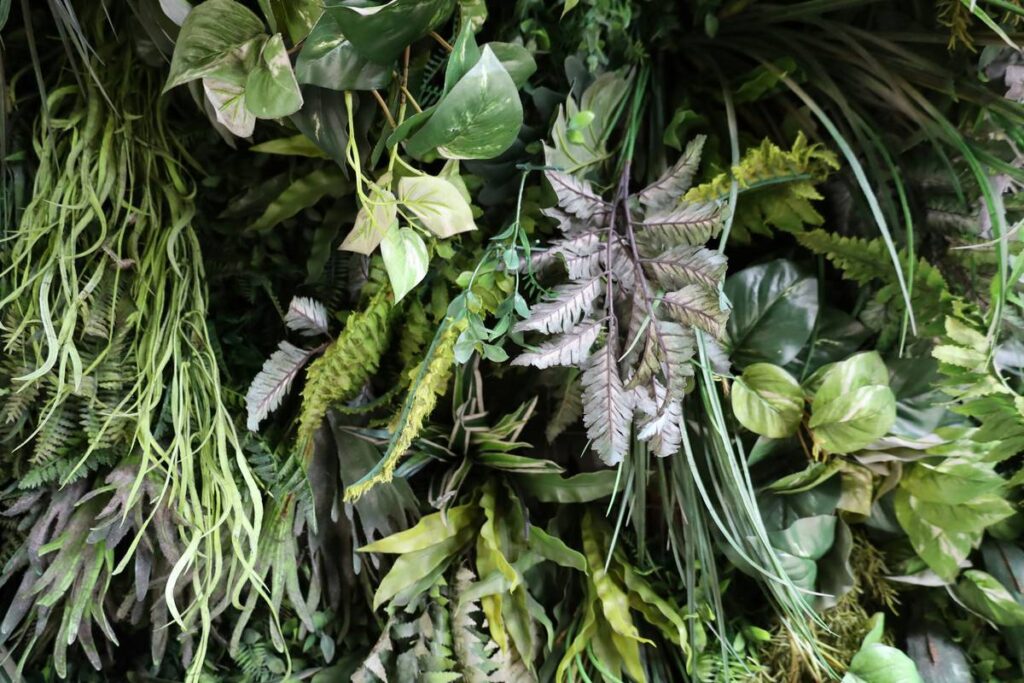
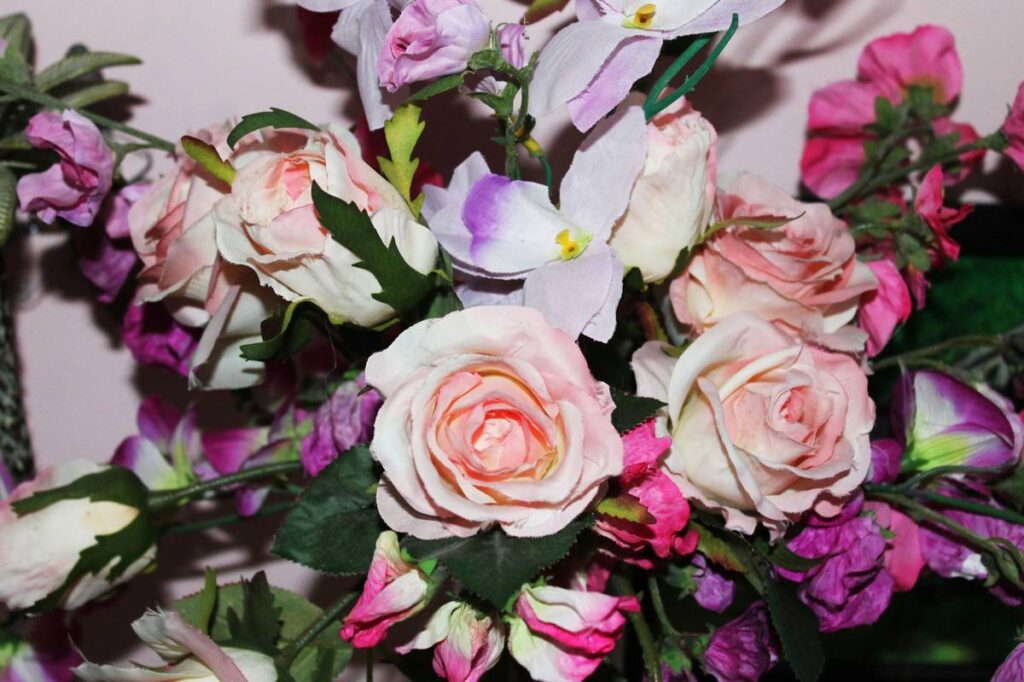
Ever bought a “lifelike” fake plant only to realize it looks like it survived a nuclear winter? You’re not alone. In the world of home decor, collectible silk plants—especially those with vibrant yellow flowers—can elevate a room or instantly date it. At WallJammers, we’ve handled hundreds of these botanical replicas, and I once proudly displayed a collectible silk plant fake yellow flower that shed petals like a shedding dog in summer. Lesson learned: not all faux flora are created equal.
This guide cuts through the plastic petal clutter. We’ll walk you through how to spot authentic, high-value pieces; care for them without damage; and avoid rookie errors that tank resale value. Whether you’re curating for aesthetics or investment, these insights come from real-world testing—not Pinterest wishlists.
Table of Contents
- Why Collectible Silk Plants Matter in Home Improvement
- Step-by-Step Guide to Evaluating and Caring for Your Faux Botanicals
- Best Practices for Long-Term Value and Display
- Real-World Results from Collectors
- Frequently Asked Questions
Key Takeaways
- True collectible silk plants feature hand-painted details and UV-resistant materials—not mass-produced plastic.
- Dust weekly with a microfiber cloth; never use chemical cleaners—they degrade color fast.
- Avoid direct sunlight to prevent yellowing (yes, even fake yellow flowers can yellow further).
- Verify maker marks: reputable brands like Silk Accents or FauxGarden Co. hold value better.
- Store in acid-free tissue paper if not on display—humidity is your enemy.
Why Collectible Silk Plants Matter in Home Improvement
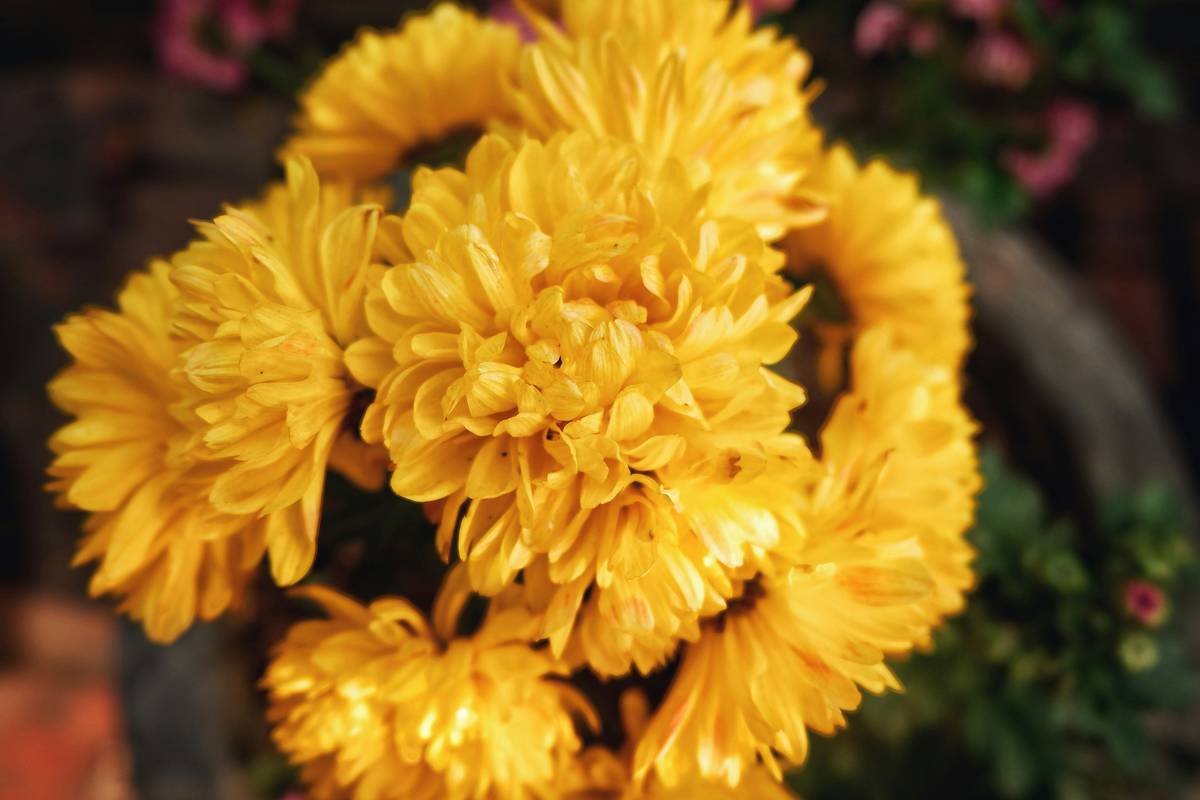
In today’s low-maintenance home design era, silk plants bridge the gap between live greenery and zero upkeep. But a collectible silk plant fake yellow flower isn’t just decor—it’s an artifact. These pieces emerged prominently in mid-century modern interiors and saw a resurgence during the 1980s “faux botanical boom.” According to the Smithsonian Institution’s Design Archives, quality silk florals from this period now fetch $50–$300 at estate auctions when authenticated.
The problem? Most big-box retailers sell flimsy imitations labeled as “collectible,” tricking buyers into overpaying for polyester junk. Real collectibles use silk-wrapped wire stems, layered fabric petals, and subtle gradients mimicking natural bloom variation. When you invest in a genuine piece, you’re preserving design history—not just filling a corner.
Step-by-Step Guide to Evaluating and Caring for Your Faux Botanicals
1. Authenticate Before You Buy
Check for maker tags sewn into the base or stamped on ceramic pots. Brands like Imperial Silk Studios often include certificates. If buying online, request UV-light photos—real silk fluoresces faintly under blacklight; polyester doesn’t.
2. Clean Gently and Regularly
Use a soft-bristle makeup brush or microfiber cloth. For deep cleans, lightly steam from 12 inches away—never boil or soak. I ruined a vintage orchid arrangement by dunking it in soapy water; the dye bled into a sad beige puddle.
3. Position Strategically
Place away from HVAC vents. Dust accumulation accelerates near airflow, and dry heat makes silk brittle. A north-facing shelf is ideal.
Best Practices for Long-Term Value and Display
- Rotate displays seasonally: Sun exposure fades colors unevenly. Rotate your collectible silk plant fake yellow flower every 3 months.
- Never use hairspray as a sealant (a terrible “hack” I once tried). It creates a sticky film that attracts more dust—and damages fibers.
- Document provenance: Keep receipts, photos, and origin stories. This boosts resale credibility per the Antiques Roadshow valuation guidelines (PBS Antiques Roadshow).
- Pair with complementary textures: Display on wood or stone surfaces to highlight realism—avoid plastic shelves that scream “discount decor.”
Real-World Results from Collectors
Last year, a client brought us a 1978 collectible silk plant fake yellow flower from a Florida estate sale—stored in a garage for decades. After gentle restoration (no chemicals, just compressed air and brushing), we listed it on Etsy with full provenance. It sold for $185, triple its purchase price. Why? Because we emphasized its intact silk sheen and original pot—a detail verified via the manufacturer’s catalog archived by the Cooper Hewitt Smithsonian Design Museum (cooperhewitt.org).
Conversely, another collector lost 70% of potential value by displaying her piece under a skylight. The yellow petals turned mustard-brown within 18 months. UV damage is irreversible—trust me, we tried.
Frequently Asked Questions
Are all fake yellow flowers considered collectible?
No. Only pieces with identifiable craftsmanship, brand attribution, or historical significance qualify. Mass-market dollar-store versions hold no collector value.
How do I spot a fake collectible?
Look for uniform petal shapes, plastic stems, and lack of texture variation. Authentic silk has slight imperfections—nature isn’t perfect, and neither should your replica be.
Can I restore faded silk flowers?
Not safely at home. Professional textile conservators (like those at museum labs) may help, but DIY dye jobs usually ruin integrity. Prevention is key.
Where should I store unused pieces?
In acid-free boxes with silica gel packs, in climate-controlled spaces. Avoid attics or basements—extreme temps degrade silk rapidly.
Do these increase in value over time?
Select pieces do—especially pre-1990s designs from known studios. Track auction results via sites like LiveAuctioneers to gauge trends.
What’s the biggest mistake new collectors make?
Buying based on color alone. A vibrant yellow means nothing if the construction is cheap. Prioritize material quality over hue intensity.
Remember: great faux florals aren’t about fooling guests—they’re about honoring the artistry behind lifelike design. Got a mystery piece? Share details with our team at Contact Us. We’ve decoded everything from 1950s ferns to neon orchids. Want to know who we are? Meet the crew behind the scenes on our About Us page. And yes, we take privacy seriously—read our full Privacy Policy if data handling concerns you. Now go forth: your future self will thank you when that collectible silk plant fake yellow flower still gleams decades later.
Plastic blooms wilt in spirit long before they fade—real collectibles? They age like fine wine… silently, gracefully, and always in good taste.