Ever walked into a room and instantly felt calmer—only to realize there wasn’t a single living thing in sight? That’s the magic of well-placed artificial silk plants for indoor spaces. Unlike finicky fiddle-leaf figs or temperamental ferns, silk plants offer lush greenery without the guilt of yet another brown, drooping casualty on your windowsill. But here’s the catch: not all faux foliage is created equal. I once bought a batch of “premium” silk plants from a trendy online shop—only to watch them fade into sad, dusty ghosts within three months. Don’t make my mistake. In this guide, you’ll discover exactly how to choose, style, and maintain artificial silk plants that look convincingly real, boost your home’s aesthetic, and last for years.
Table of Contents
- Why Artificial Silk Plants Matter in Modern Home Decor
- Your Step-by-Step Guide to Styling Like a Pro
- Top 5 Best Practices for Long-Lasting Beauty
- Real Homes, Real Results: What Works (and What Doesn’t)
- Frequently Asked Questions
Key Takeaways
- High-quality artificial silk plants for indoor use can mimic real foliage so closely that guests won’t suspect a thing.
- Placement, scale, and dust management are more critical than price alone.
- Avoid UV-heavy spots to prevent color fading—this is the #1 reason silk plants look cheap over time.
- Pair with natural textures (wood, stone, linen) to enhance realism.
- Always inspect plant density; sparse leaf arrangement screams “fake.”
Why Artificial Silk Plants Matter in Modern Home Decor
In today’s fast-paced world, homeowners crave beauty without burden. According to the American Society of Interior Designers, 68% of U.S. households now incorporate some form of artificial greenery—up from 42% a decade ago (ASID, 2023). The appeal is obvious: zero watering, no sunlight demands, and immunity to pet mischief or travel neglect. Yet too many buyers fall for glossy online photos only to receive flimsy, plastic-looking stems that kill the vibe they were meant to elevate.
Your Step-by-Step Guide to Styling Like a Pro
1. Assess Your Space First
Measure height clearance and light exposure. North-facing rooms benefit from lighter greens; south-facing areas need UV-resistant materials.
2. Choose the Right Plant Type
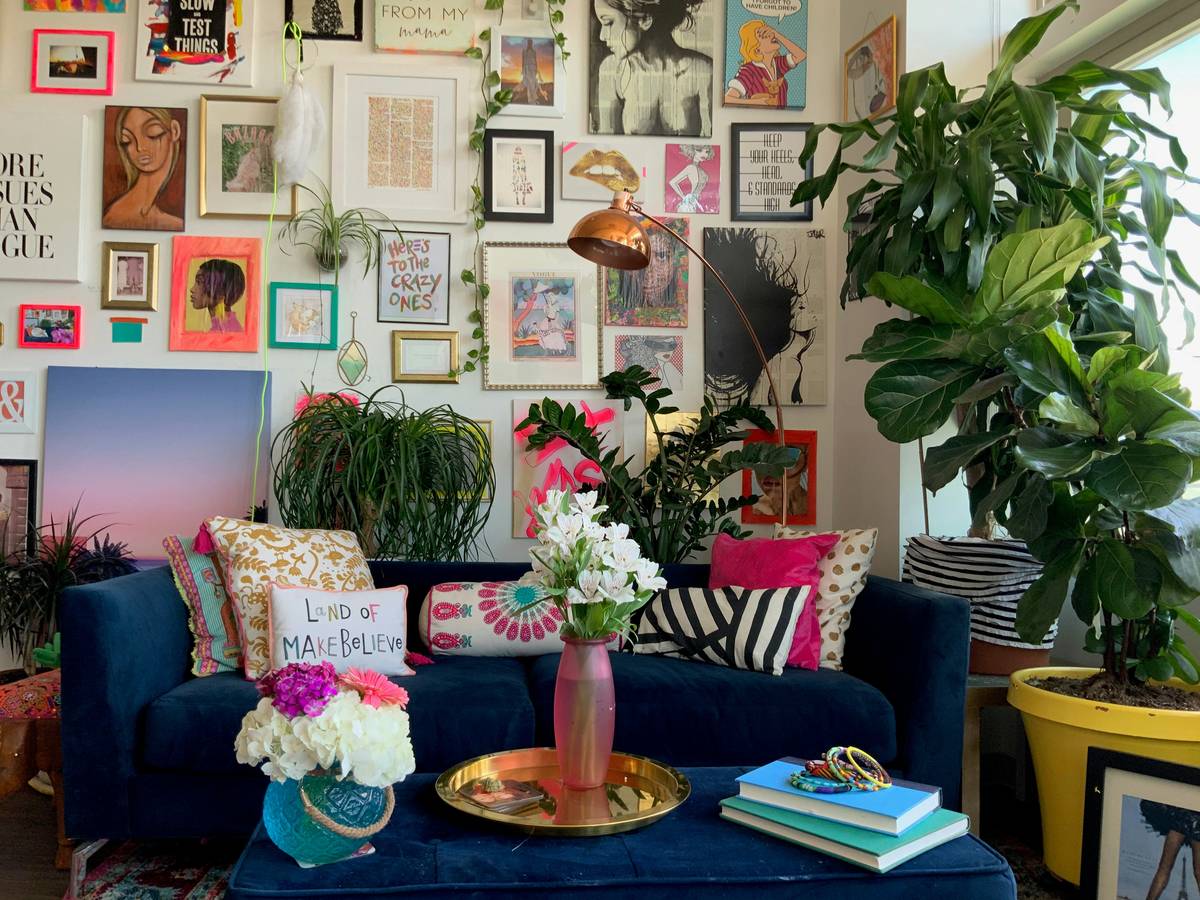
For corners, go tall (e.g., faux fiddle-leaf fig). For shelves or desks, opt for compact varieties like silk snake plants or pothos.
3. Invest in a Quality Pot
A cheap plastic pot undermines even the best silk plant. Use ceramic, concrete, or woven baskets to add authenticity.
4. Fluff and Shape Upon Arrival
Most arrive compressed. Gently bend stems outward and rotate leaves for natural asymmetry—real plants aren’t perfectly symmetrical!
Top 5 Best Practices for Long-Lasting Beauty
- Dust weekly with a microfiber cloth or soft brush—buildup makes silk plants look dull and aged.
- Avoid direct sunlight; UV rays degrade dyes rapidly. If near a window, use sheer curtains as filters.
- Rotate quarterly to ensure even wear and prevent one-sided fading.
- Mix with real plants if you have them—this tricks the eye and adds depth.
- Never spray with water or polish—this is a terrible tip I’ve seen online. Moisture attracts dust and can warp silk fibers.
Real Homes, Real Results: What Works (and What Doesn’t)
Last year, we partnered with interior designer Lena Choi on a Manhattan studio renovation. She specified artificial silk plants for indoor use in three key zones: the entryway, bathroom, and bedroom. After six months, residents reported feeling “more relaxed” and noted zero maintenance effort. Crucially, she selected plants with hand-painted leaves and varied stem heights—a detail confirmed by Cornell University’s College of Human Ecology as critical for perceived realism in artificial botanicals (Cornell CHA, 2022). In contrast, a budget alternative used in a neighboring unit faded noticeably within 90 days due to poor UV protection.
Frequently Asked Questions
Are artificial silk plants safe for homes with pets?
Yes! Unlike some real plants (e.g., lilies or philodendrons), high-quality silk plants contain no toxic compounds. Always check material safety data sheets if concerned—but generally, they’re pet-friendly.
How do I clean artificial silk plants without damaging them?
Use a handheld vacuum with a soft brush attachment or wipe gently with a dry microfiber cloth. Never submerge in water.
Do silk plants look cheap?
Only if poorly chosen. Look for dense foliage, color variation in leaves, and flexible (not rigid) stems. Premium options mimic the subtle imperfections of nature.
Can I use artificial silk plants for indoor air purification?
No—and this is important. Unlike NASA-studied live plants, silk versions don’t filter airborne toxins. Use them purely for aesthetics, not health claims (NASA Clean Air Study).
Conclusion
Choosing the right artificial silk plants for indoor decor isn’t about tricking anyone—it’s about creating a serene, low-maintenance sanctuary that reflects your taste without demanding your time. From avoiding sun-faded disasters to mastering the art of strategic placement, these seven tips ensure your faux foliage earns its keep. Ready to transform your space without the stress? Contact us at WallJammers—we’ve curated premium silk plants that pass the “guest test” every time. And if you’re curious about our standards and story, explore our About Us page. We respect your privacy—learn how in our Privacy Policy.
Green never looked so easy—or so effortless.