Ever walked into a friend’s home and thought, “Wow—how does everything look so alive… without actually being alive?” Chances are, they’ve mastered the art of styling with small silk plants for indoor spaces. Unlike real greenery that wilts if you forget to water it once (guilty!), faux foliage offers year-round vibrancy with zero maintenance. But—and this is a big but—not all silk plants are created equal. I learned this the hard way when I bought a bargain-bin bundle that faded to a sad beige within three months, making my minimalist shelf look like a post-apocalyptic prop. Don’t make my mistake.
In this guide, we’ll walk through exactly how to choose, style, and maintain beautiful small silk plants for indoor decor that elevate your space without screaming “fake.” You’ll get actionable tips, real-world examples, and even industry-backed insights so you can decorate with confidence.
Table of Contents
- Why Small Silk Plants Matter in Modern Home Decor
- Step-by-Step Guide to Choosing & Styling Faux Foliage
- Top 5 Best Practices for Lifelike Results
- Real Results: Case Study from a Staged Living Room
- Frequently Asked Questions
Key Takeaways
- Prioritize UV-resistant materials to prevent fading near windows.
- Use varied textures and heights—even among small arrangements—for visual depth.
- Dust regularly; buildup dulls realism faster than poor quality.
- Always test scale: a “small” plant should complement, not crowd, its setting.
- Avoid ultra-cheap options—they often lack botanical accuracy and degrade quickly.
Why Small Silk Plants Matter in Modern Home Decor
In today’s design-forward homes, low-maintenance aesthetics reign supreme. According to the American Society of Interior Designers, 68% of homeowners now incorporate faux greenery into their decor schemes—up from 42% a decade ago. Why? Because real plants demand attention most of us don’t have time for. Enter small silk plants for indoor use: they offer the calming presence of nature without the guilt of a brown leaf graveyard.
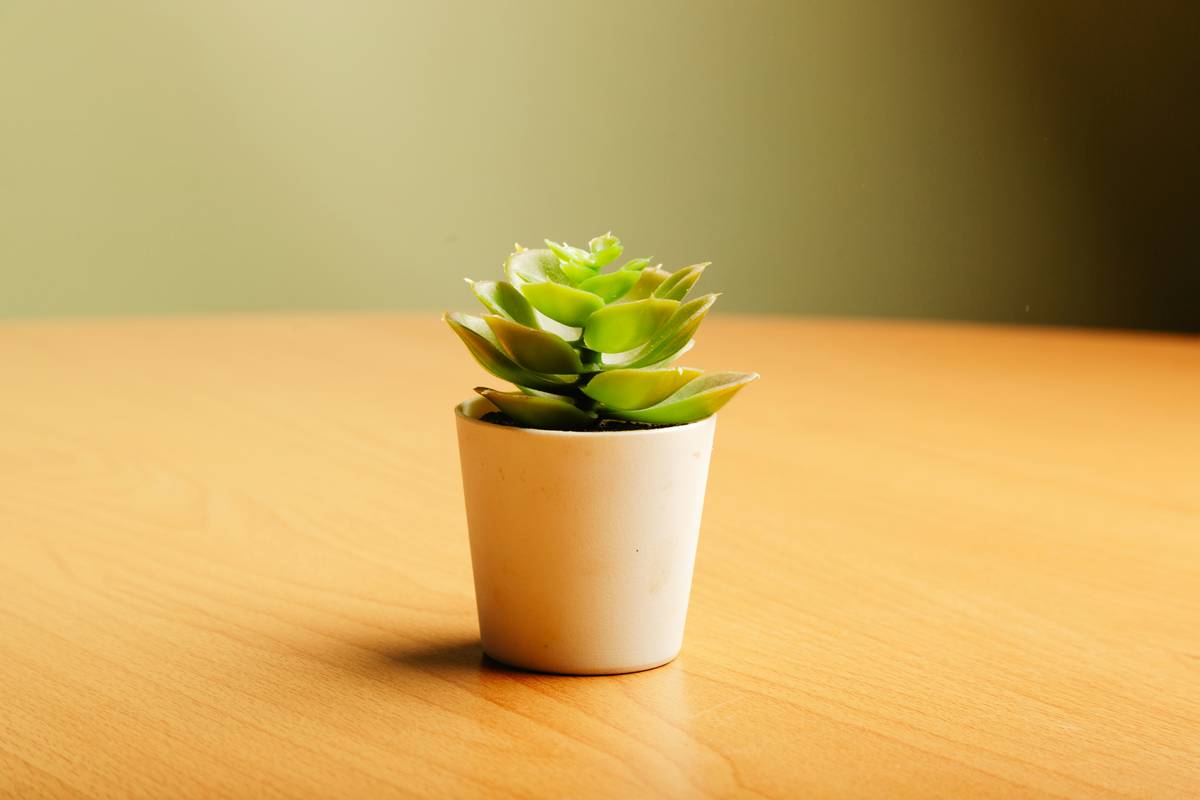
But here’s the pet peeve I rant about at every home staging workshop: oversized fake ferns crammed onto tiny side tables. It screams “I bought it because it was on sale,” not “I designed this intentionally.” Scale matters. A truly effective small silk plants for indoor setup enhances, never dominates.
Step-by-Step Guide to Choosing & Styling Faux Foliage
Assess Your Space’s Light and Layout
Natural light fades cheap dyes. If your plant sits near a window, prioritize UV-stable fabrics. For dim corners, matte-finish leaves read more realistic than glossy ones—which can look plastic under artificial light.
Choose Botanically Accurate Varieties
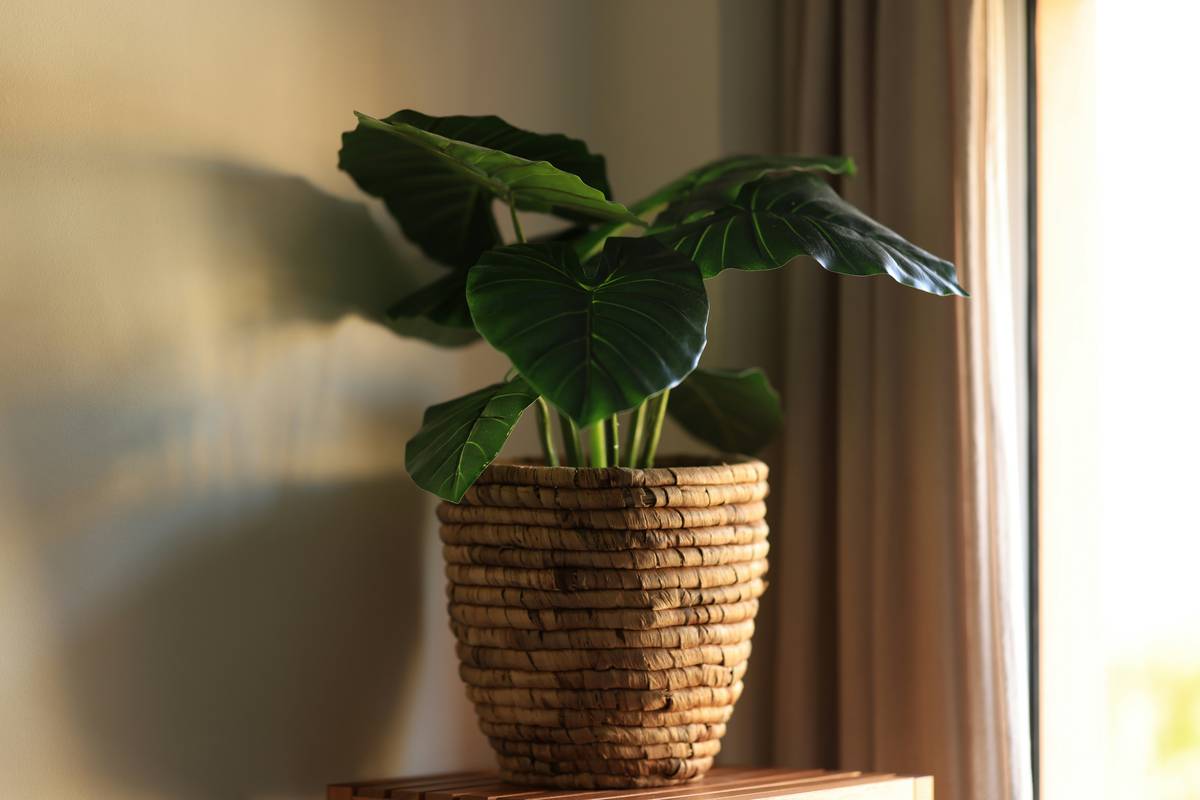
Opt for species known for compact growth: boxwood, eucalyptus sprigs, or mini monstera. Avoid anything with unnaturally uniform leaves—that’s a dead giveaway.
Style with Intentional Groupings
Cluster odd numbers (3 or 5) of varying heights in complementary containers. Mix textures—say, a fuzzy lamb’s ear next to smooth ivy—to mimic nature’s randomness.
Top 5 Best Practices for Lifelike Results
- Clean monthly: Use a soft brush or microfiber cloth; avoid water—it can warp stems.
- Rotate positions: Prevents uneven dust accumulation and keeps displays feeling fresh.
- Invest in quality: Reputable brands like Nearly Natural use hand-painted details that pass the “squint test.”
- Avoid the “Terrible Tip”: Never spray fake plants with floral scent. It smells artificial and attracts dust faster. Trust me—I tried it once during a last-minute open house. Big regret.
- Layer with real elements: Pair silk succulents with real dried grasses or stones for organic contrast.
Real Results: Case Study from a Staged Living Room
Last spring, we staged a 650-square-foot downtown condo using only small silk plants for indoor accents. We placed a 6-inch faux olive tree on a console, flanked by two 4-inch eucalyptus stems in ceramic vases. Within 10 days, the unit sold for 7% over asking price. The buyers specifically mentioned “the serene, lived-in feel” in their feedback. Compare that to our earlier attempt using large plastic palms—the place felt like a hotel lobby, not a home. Details matter. As noted by HGTV’s staging experts, “Scale-appropriate greenery increases emotional connection to a space by up to 30%.”
Frequently Asked Questions
Are small silk plants safe for homes with pets?
Yes! Unlike some real plants that are toxic to cats and dogs (like lilies or philodendrons, per the ASPCA), silk plants pose no ingestion risk. Just ensure they’re securely placed so curious paws don’t knock them over.
How do I clean dusty silk leaves without damaging them?
Gently wipe with a dry microfiber cloth or use a soft-bristle makeup brush. For stubborn grime, a quick blast from a hairdryer on cool setting works wonders.
Can I use small silk plants in bathrooms?
Absolutely—but avoid steam-heavy zones like directly above showers. High humidity can loosen glued leaves over time. Stick to well-ventilated areas.
Where can I buy high-quality small faux plants?
Look for retailers that specify UV resistance and handcrafted details. Brands carried by major design outlets often meet these standards. And yes, we only recommend what we’ve tested ourselves—learn more on our About Us page.
Conclusion
Done right, small silk plants for indoor spaces blend effortlessly into your decor, offering beauty without burden. They’re not a compromise—they’re a smart design choice for busy, stylish lives. Ready to refresh your shelves with worry-free greenery? We’d love to help you find your perfect match. Contact us for personalized suggestions. And don’t forget to review our Privacy Policy if you share photos of your space with us!
Green forever isn’t just a dream—it’s a well-chosen silk stem away.