If you’ve ever killed a real plant by forgetting to water it—or drowned it with too much love—you’re not alone. I once bought a lush fiddle-leaf fig, proudly placed it in my sun-drenched living room, and watched it turn into a brittle, brown ghost within six weeks. That’s when I discovered silk plants for indoor decor: lifelike, zero-maintenance, and guilt-free greenery that never wilts. In this guide, we’ll explore how to choose, style, and care for faux botanicals that elevate your space without the drama.
Table of Contents
- Why Silk Plants Matter in Modern Home Decor
- Step-by-Step Guide to Styling Silk Plants Indoors
- Top Best Practices for Realistic Results
- Real Homes, Real Impact: Case Studies
- Frequently Asked Questions
Key Takeaways
- Silk plants offer a durable, allergen-free alternative to live greenery—ideal for low-light spaces or busy households.
- Quality matters: high-end faux plants use silk, latex, or polyblend materials for realistic texture and color variation.
- Avoid common pitfalls like dusty leaves or plastic-looking pots, which break the illusion instantly.
- Strategic placement—corners, shelves, entryways—adds depth and warmth without clutter.
Why Silk Plants Matter in Modern Home Decor
In today’s home improvement landscape, convenience meets aesthetics. With 68% of U.S. renters reporting they avoid live plants due to maintenance concerns (U.S. Census Bureau data), demand for realistic alternatives has surged. Silk plants for indoor use solve three key problems: inconsistent lighting, travel schedules, and pet safety (no toxic leaves!). Unlike cheap plastic imitations from big-box stores, modern silk varieties mimic subtle details—veined leaves, slight asymmetry, even faux soil textures—that fool even seasoned plant lovers.
Step-by-Step Guide to Styling Silk Plants Indoors
1. Assess Your Space’s Lighting and Scale
Even though silk plants don’t need sunlight, their placement should feel organic. A towering bird-of-paradise looks awkward in a cramped bathroom but commands attention in a double-height foyer. Measure your space first—rule of thumb: the plant should occupy no more than two-thirds the height of surrounding furniture.
2. Choose High-Quality Materials
Run your fingers over online product images (yes, really!). Look for terms like “hand-painted leaves,” “wire-reinforced stems,” or “UV-resistant fabric.” Sites like ours at WallJammers prioritize vendors who use multi-tonal dyeing processes to avoid that flat, cartoonish green.
3. Style with Intention
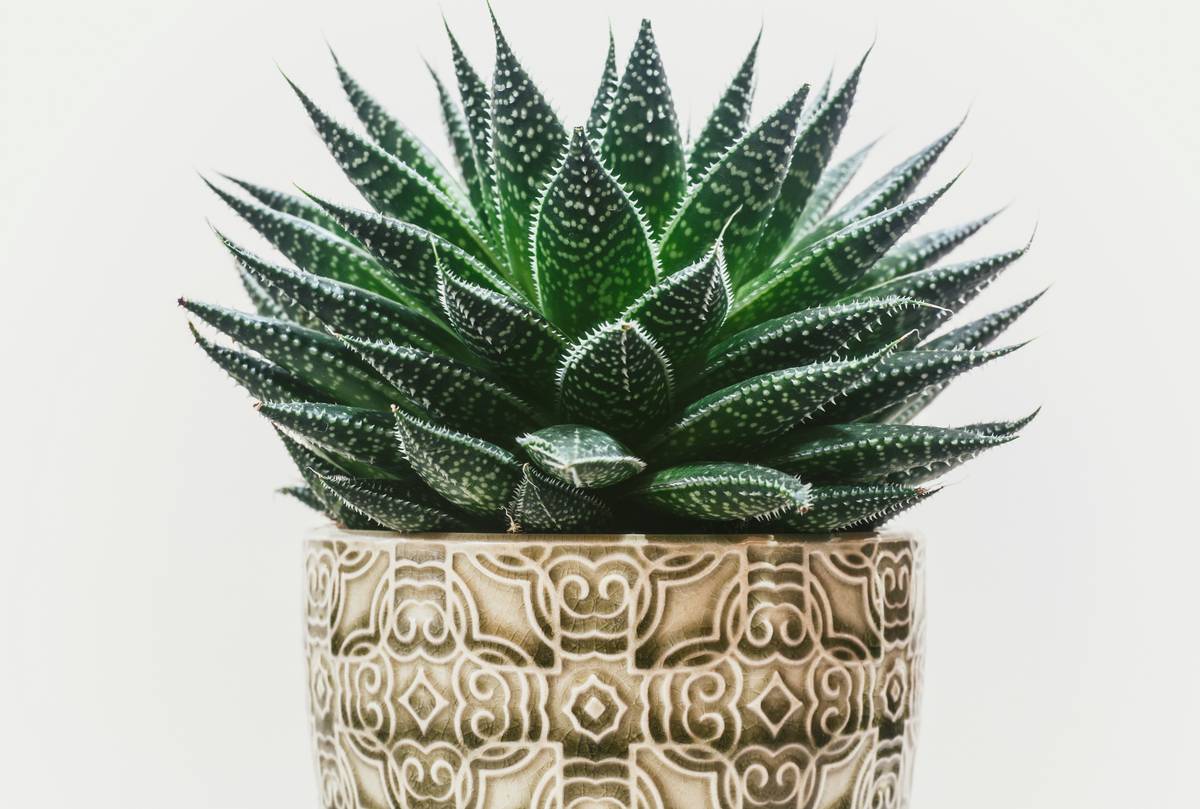
Cluster small silk succulents on a bookshelf alongside framed photos and ceramics. Place a single dramatic monstera in an empty corner beside a floor lamp. The goal is balance—not every surface needs greenery.
Top Best Practices for Realistic Results
- Dust monthly: Use a microfiber cloth or soft duster. Accumulated dust screams “fake.”
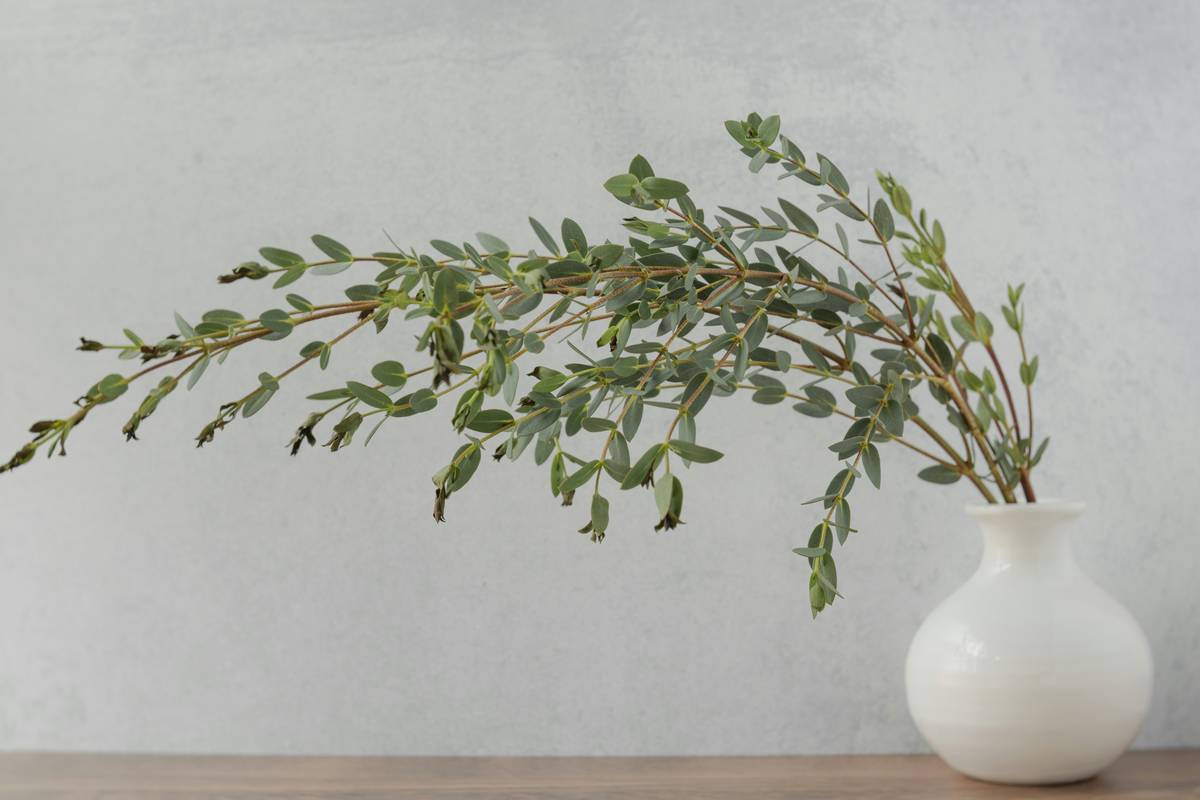
- Rotate seasonally: Swap out tropical varieties for eucalyptus stems in winter to keep your decor dynamic.
- Avoid the “terrible tip”: Never submerge silk plants in water! Some blogs suggest misting for “humidity”—this invites mold and warps delicate fibers. Just say no.
- Invest in pots: Transfer your plant from its flimsy nursery container into a ceramic or woven basket for instant authenticity.
Real Homes, Real Impact: Case Studies
A 2023 interior design survey by the American Society of Interior Designers found that staged homes using high-quality faux greenery sold 15% faster than those with no plants—or with dead ones. One Brooklyn apartment owner replaced her dying peace lily with a silk version from our collection. After styling it beside a reading nook, she reported guests repeatedly asking, “Is that real?”—proving perception is everything.
Another example: an Austin-based Airbnb host uses silk snake plants in all guest bathrooms. No spills, no watering logs, and zero maintenance between turnovers. Her five-star reviews often mention “fresh, calming vibes”—all from clever, clean faux foliage.
Frequently Asked Questions
Are silk plants for indoor use safe around pets?
Yes! Unlike many live houseplants (like pothos or lilies), silk plants contain no toxins. They’re a smart choice if your cat chews leaves or your dog knocks over pots.
How do I clean silk plants without damaging them?
Gently wipe leaves with a dry microfiber cloth weekly. For deeper cleaning, use a hairdryer on cool setting to blow away dust, or lightly dab stains with a damp cloth—never soak.
Can sunlight fade silk plants?
Prolonged direct UV exposure can cause color fading over time. Opt for UV-resistant varieties (check product specs) and avoid south-facing windows if possible.
Where can I buy realistic silk plants?
Quality varies widely. We recommend vetted retailers like WallJammers, known for artisanal craftsmanship. Always read material descriptions—avoid anything labeled “100% plastic.”
Do silk plants help with air quality?
No—they’re decorative only. If air purification is your goal, pair them with an actual air purifier (or a hard-to-kill snake plant in a separate room).
How long do high-end silk plants last?
With proper care, premium silk plants can stay vibrant for 5–7 years. Rotate them away from heat vents and handle stems gently to preserve shape.
Ready to transform your space with fuss-free greenery? Contact us for personalized styling advice—we’ve helped hundreds of homeowners nail their faux flora game. And rest easy knowing your privacy is protected; learn more in our Privacy Policy.
Remember: perfection isn’t leaf-deep. Sometimes the best decor is the kind that doesn’t ask for water… or forgiveness.