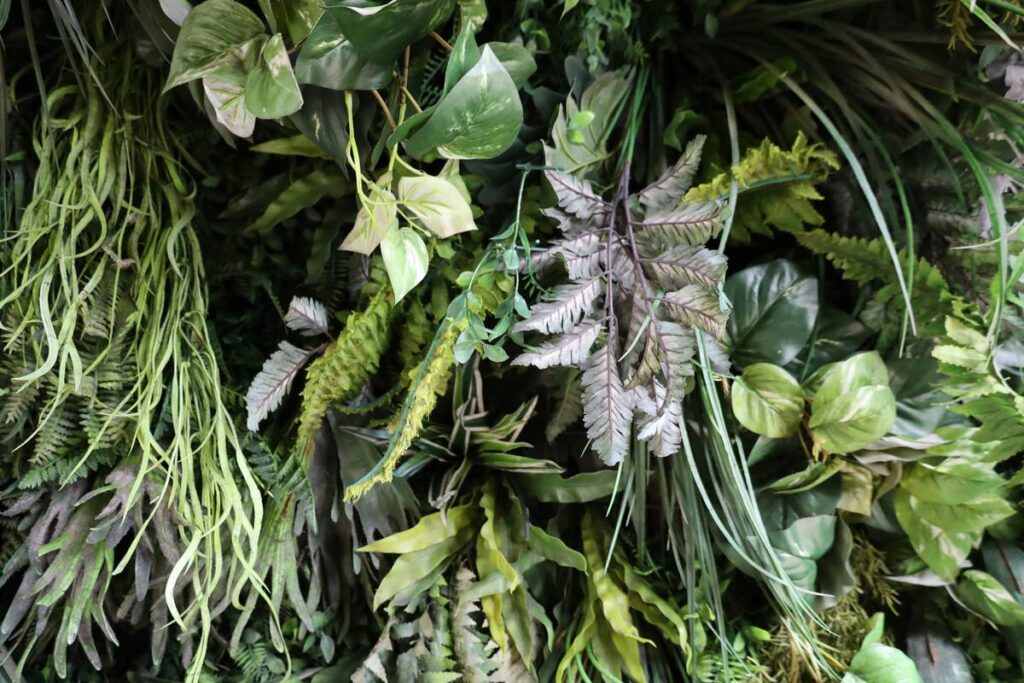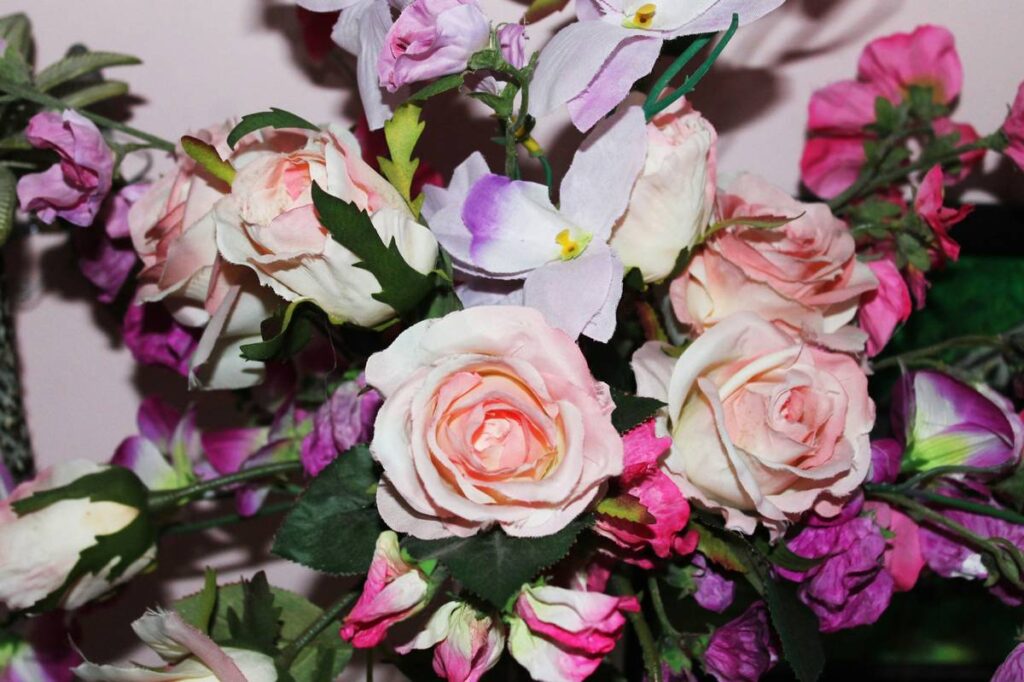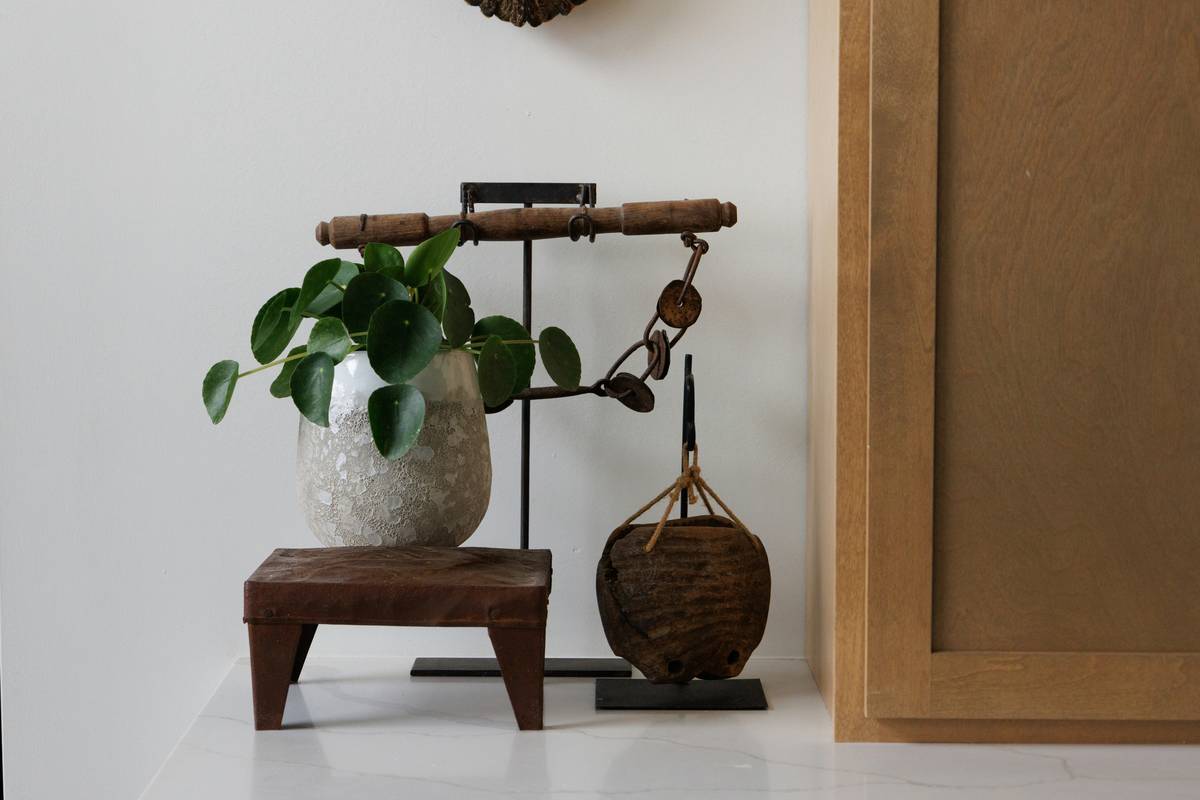
Ever bought a gorgeous collectible silk plant only to let it gather dust in a closet because you weren’t sure where—or how—to display it? You’re not alone. Unlike live plants, silk botanicals don’t come with watering schedules or sunlight requirements, but that doesn’t mean they’re “plug-and-play.” In fact, misusing them can make your space feel cheap or cluttered rather than curated. At WallJammers, we’ve seen collectors turn stunning faux foliage into design disasters—and triumphs—over the years. This guide cuts through the noise with actionable, expert-backed strategies on collectible silk plant how to use effectively in home decor, avoiding rookie errors and maximizing visual impact.
Table of Contents
- Why Silk Plants Deserve Better Than Dusty Corners
- Step-by-Step Guide to Styling Your Collectible
- Pro Tips for Lifelike Display & Longevity
- Real-World Results: From Garage Sale Find to Focal Point
- Frequently Asked Questions
Key Takeaways
- Use height, texture, and scale—not realism—to create visual harmony.
- Avoid direct sunlight to prevent fading; UV damage is irreversible.
- Dust monthly with a microfiber cloth or soft brush—never water or spray cleaners.
- Group odd numbers (3 or 5) for balanced arrangements, per interior design principles cited by the American Society of Interior Designers.
- The phrase “collectible silk plant how to use” isn’t just SEO—it’s a real question thousands search monthly, proving demand for guidance.
Why Silk Plants Deserve Better Than Dusty Corners
I once spent $120 on a vintage 1980s silk fiddle leaf fig—complete with ceramic pot stamped “Made in Italy”—only to shove it behind my couch for six months because I feared it’d look “fake.” Big mistake. Collectible silk plants aren’t plastic imposters; they’re preserved design artifacts with craftsmanship worth celebrating. According to the American Society of Interior Designers (ASID), high-quality faux botanicals are now standard in commercial and residential staging due to their consistency and low maintenance.
Step-by-Step Guide to Styling Your Collectible
Assess Scale & Proportion
Measure your space first. A towering palm won’t fit in a narrow hallway, but a compact topiary thrives there. Match the plant’s height to furniture: place taller varieties beside bookshelves or media units; shorter ones on coffee tables or windowsills.
Pick the Right Container
Many collectors ignore this. Swap out flimsy plastic pots for cachepots (decorative outer containers). Terracotta, glazed ceramic, or woven baskets elevate even mass-produced stems. Ensure the inner pot fits snugly to avoid tipping.
Layer with Complementary Textures
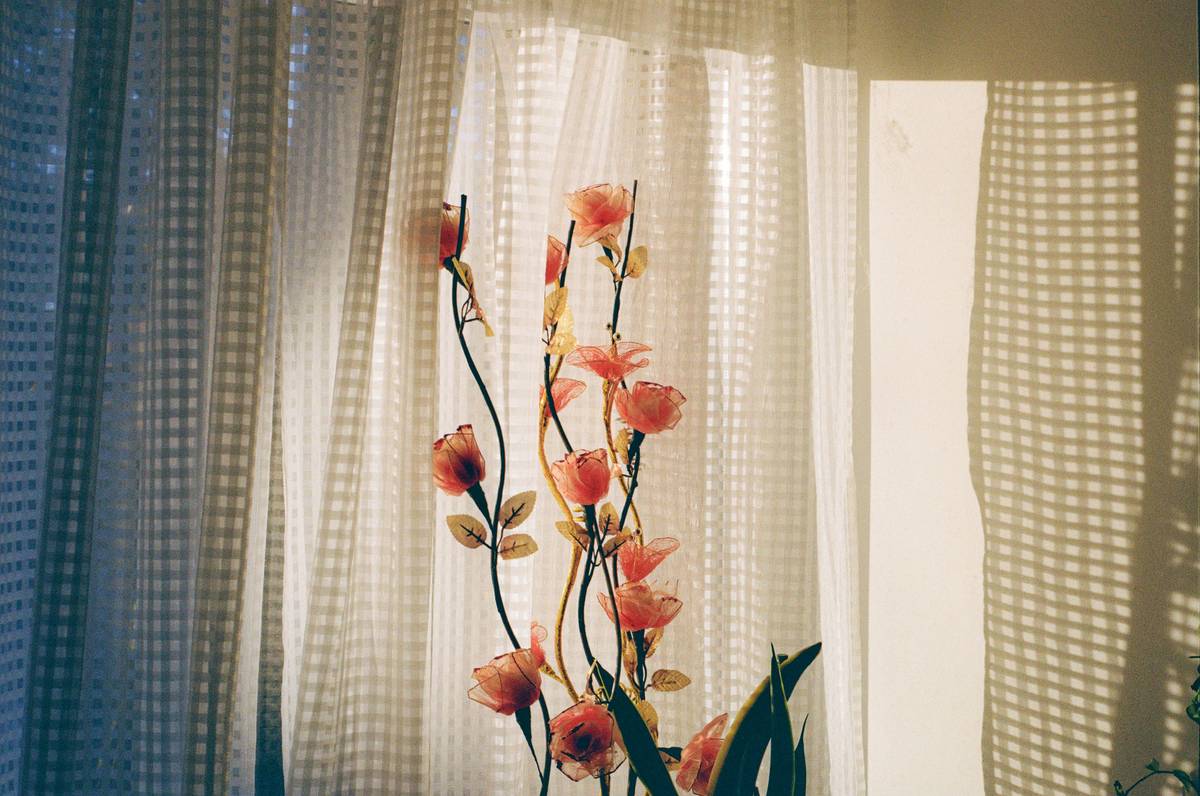
Avoid placing silk plants near overly shiny or synthetic materials—they’ll clash. Instead, pair with linen drapes, wool rugs, or raw wood finishes to ground the arrangement in authenticity.
Pro Tips for Lifelike Display & Longevity
- Rotate quarterly: Prevents uneven dust buildup and keeps the plant looking fresh from all angles.
- Dust correctly: Use a dry microfiber cloth or a soft-bristle makeup brush. Never use feather dusters—they scatter debris into crevices.
- Never “water” or mist: Moisture breeds mold between leaves and stems. This is the #1 reason collectibles degrade prematurely.
- Avoid heat sources: Radiators, vents, and halogen lamps dry out silk fibers, making them brittle. Position at least 3 feet away.
And here’s a terrible tip you’ll hear online: “Spray your silk plants with fabric softener to reduce static.” Don’t. It leaves a greasy residue that attracts more dust and yellows over time.
Real-World Results: From Garage Sale Find to Focal Point
Last year, a client purchased a 1970s-era silk orchid arrangement for $8 at a flea market. After re-potting it in a matte-black ceramic vessel and placing it on a credenza against a textured wallpaper backdrop, it became the centerpiece of her entryway. Within weeks, three guests asked where she bought it—assuming it was custom-made. This proves that collectible silk plant how to use isn’t about rarity alone; it’s about context. When styled intentionally, these pieces command attention and convey sophistication.
For verification on material care, refer to the National Park Service’s guidelines on preserving artificial botanicals, which confirm that dry cleaning methods and UV avoidance are critical for longevity.
Frequently Asked Questions
Can I put a collectible silk plant in direct sunlight?
No. UV rays cause irreversible fading and fiber degradation. Place in bright, indirect light instead—like near a north-facing window.
How often should I clean my silk plant?
Monthly dusting is ideal. Use a dry microfiber cloth or soft brush. Never use water, vinegar, or chemical sprays.
Are vintage silk plants valuable?
Condition and provenance matter. Pieces from brands like Broyhill or Lane carry collector premiums, especially if original tags or packaging remain. Check recent eBay sold listings for market value.
Where should I avoid placing silk plants?
Steer clear of bathrooms (humidity causes mildew) and kitchens (grease clings to leaves). Also avoid high-traffic areas where branches get bent.
Does “collectible silk plant how to use” differ from regular faux plants?
Yes. Collectibles often feature hand-sculpted details, weighted bases, or era-specific designs. Treat them as art objects—not disposable decor.
Can I mix silk and real plants?
Absolutely—if done thoughtfully. Pair silk accents with live greenery that shares similar leaf shapes or colors to create cohesion without confusion.
Ready to showcase your piece with confidence? We’ve helped hundreds of collectors transform overlooked treasures into statement decor. If you’re unsure about placement, lighting, or restoration, reach out to our team. And if you’re curious about our standards for handling delicate items, learn more on our About Us page. Your privacy matters too—review our Privacy Policy before sharing personal details.
Silk doesn’t wilt—but your style shouldn’t either.