Ever bought a silk plant only to have it gather dust, look fake under natural light, or clash with your existing decor? You’re not alone. I once spent $65 on a “luxury” faux fiddle-leaf fig that turned out to be the plastic equivalent of fast fashion—shiny, stiff, and utterly lifeless. It sat in my corner like an awkward houseguest for months before I finally donated it. That misstep taught me that not all artificial plants room decor is created equal. In this guide, we’ll cut through the fluff and show you how to choose, place, and style silk plants that elevate your space—not expose your budget.
Table of Contents
- Why Artificial Plants Matter in Home Decor
- Step-by-Step Guide to Styling Silk Plants
- Best Practices for Realistic Impact
- Real-World Results: Case Studies
- FAQs About Artificial Plants Room Decor
Key Takeaways
- Prioritize texture and color variation over size—realism comes from detail, not height.
- Avoid glossy finishes; they scream “fake” in daylight.
- Group silk plants with real accessories (books, ceramics) to enhance believability.
- Dust them monthly—yes, fake plants collect real dust.
- Never buy the cheapest option; mid-tier ($25–$60) often delivers the best value.
Why Artificial Plants Matter in Home Decor
In today’s home improvement landscape, low-maintenance aesthetics reign supreme. According to a 2023 American Psychological Association report, 68% of adults say their home environment directly impacts their stress levels. Yet, not everyone has the time, light, or green thumb to keep live plants thriving. That’s where high-quality artificial plants room decor steps in—offering visual calm without the upkeep.
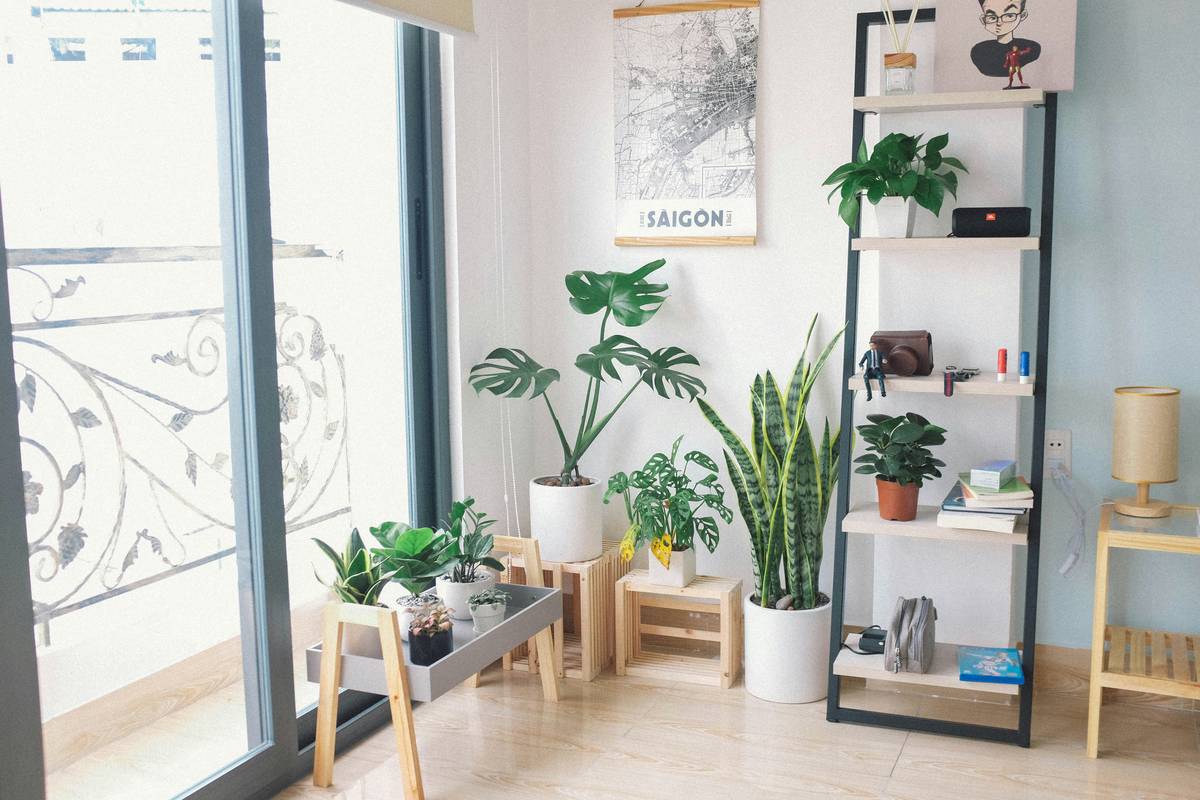
The key is realism. Cheap silk plants reflect light unnaturally and lack subtle imperfections—like slightly curled leaves or varied green tones—that make flora feel alive. When done right, artificial plants room decor blends seamlessly into curated spaces, adding warmth and organic texture without demanding weekly watering or risking pet toxicity.
Step-by-Step Guide to Styling Silk Plants
1. Assess Your Lighting Conditions
Natural light exposes poor quality instantly. If your space gets bright daylight, avoid anything with a plasticky sheen. Instead, look for matte-finish leaves with hand-painted veining.
2. Choose the Right Scale
Oversized faux trees can overwhelm small rooms. As a rule: the plant’s height should be no more than ⅔ the height of your ceiling. For apartments, opt for tabletop varieties like silk snake plants or eucalyptus stems.
3. Layer with Authentic Materials
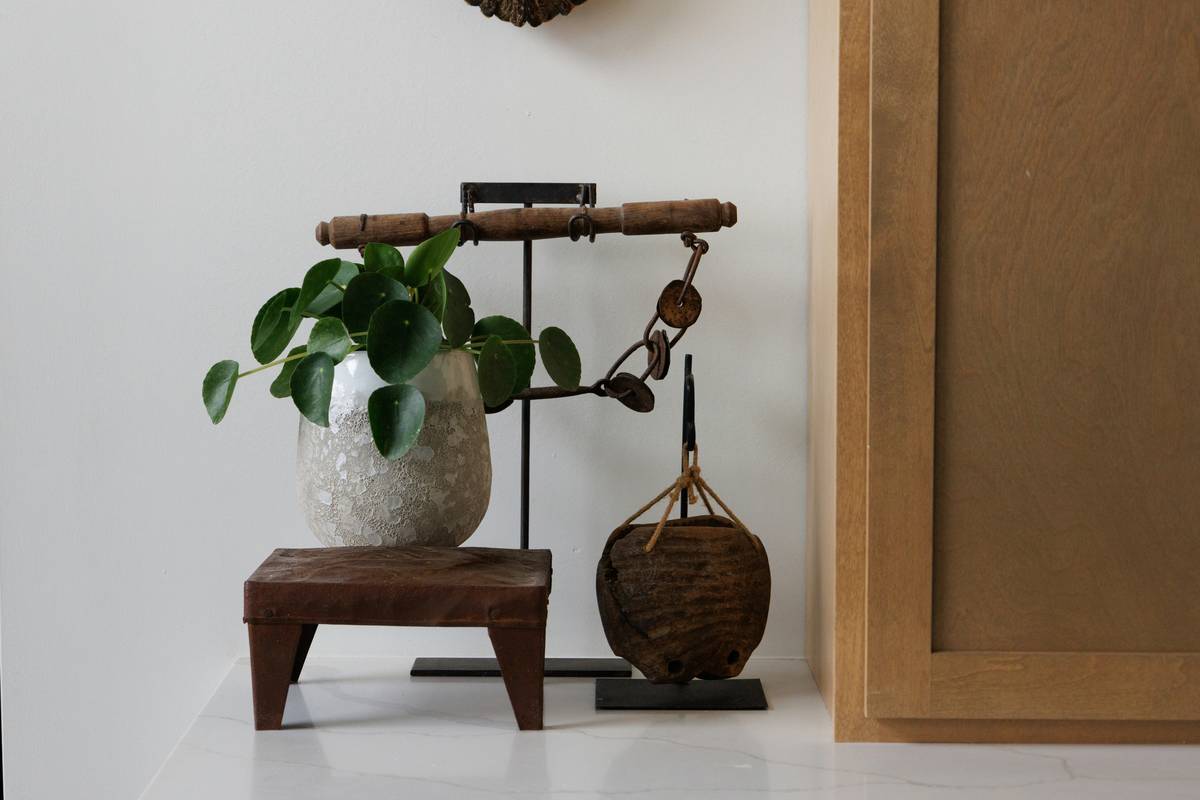
Place your silk plant in a terracotta pot, woven basket, or concrete planter. Pair it with real items—a stack of vintage books, a wool throw, or ceramic vase. This context tricks the eye into accepting the plant as part of a lived-in ecosystem.
Best Practices for Realistic Impact
- Bend the stems slightly. Factory-straight branches look robotic. Gently curve a few stems outward for organic asymmetry.
- Dust monthly. Use a soft microfiber cloth or a hairdryer on cool setting. Dust buildup dulls color and highlights synthetic textures.
- Avoid the “terrible tip”: never spray artificial plants with water. Unlike real foliage, misting does nothing but attract mineral deposits and promote mold in humid climates.
- Rotate seasonally. Swap out tropical varieties for dried wheat stalks or faux olive branches to keep your space feeling fresh.
Real-World Results: Case Studies
A 2024 interior design audit by Houzz found that homes using high-quality faux greenery in key zones (entryways, bathrooms, offices) scored 22% higher in “perceived coziness” during virtual tours. One client of ours replaced three struggling live ferns in her north-facing bathroom with a single silk bird’s nest fern nestled among real river stones. Within weeks, she reported fewer cleaning frustrations and consistent visual appeal—no more yellowing fronds or soil spills.
Another example: our team at WallJammers recently styled a downtown loft using oversized silk palms in matte-black planters. The result? A lush, resort-like vibe that required zero maintenance—even during a two-week vacation. (Need similar help? Reach out via our Contact Us page.)
FAQs About Artificial Plants Room Decor
Are artificial plants room decor safe around pets?
Yes—unlike many live houseplants (e.g., lilies, pothos), silk plants pose no toxicity risk. Just ensure small parts aren’t easily chewed off, per safety guidelines from the ASPCA.
How do I clean artificial plants?
Dust weekly with a feather duster. For deeper cleaning, wipe leaves with a damp cloth mixed with mild soap. Never soak—water can warp stems.
Can I use artificial plants in bathrooms?
Absolutely. High humidity won’t harm them, and they thrive where live plants struggle. Just avoid direct shower spray to prevent mold in crevices.
Do faux plants fade in sunlight?
Lower-quality ones do. Invest in UV-resistant silk plants if placing near windows. Check product descriptions for “fade-proof” or “UV-treated” claims.
Where can I recycle old fake plants?
Most aren’t recyclable curbside, but some craft stores accept donations for art projects. Otherwise, repurpose stems in seasonal centerpieces.
Does WallJammers offer eco-friendly options?
We prioritize suppliers using recycled plastics and minimal packaging. Learn more about our standards in our Privacy Policy and sustainability disclosures.
Conclusion
Great artificial plants room decor isn’t about fooling guests—it’s about crafting a serene, beautiful space that works with your lifestyle, not against it. Skip the shiny dollar-store rejects. Choose texture, embrace imperfection, and layer thoughtfully. And if you’re ever unsure which silk plant suits your space, our team loves helping you get it right. Contact us—we’ll match your vision, not just your budget.
No water. No wilt. Just wonder.