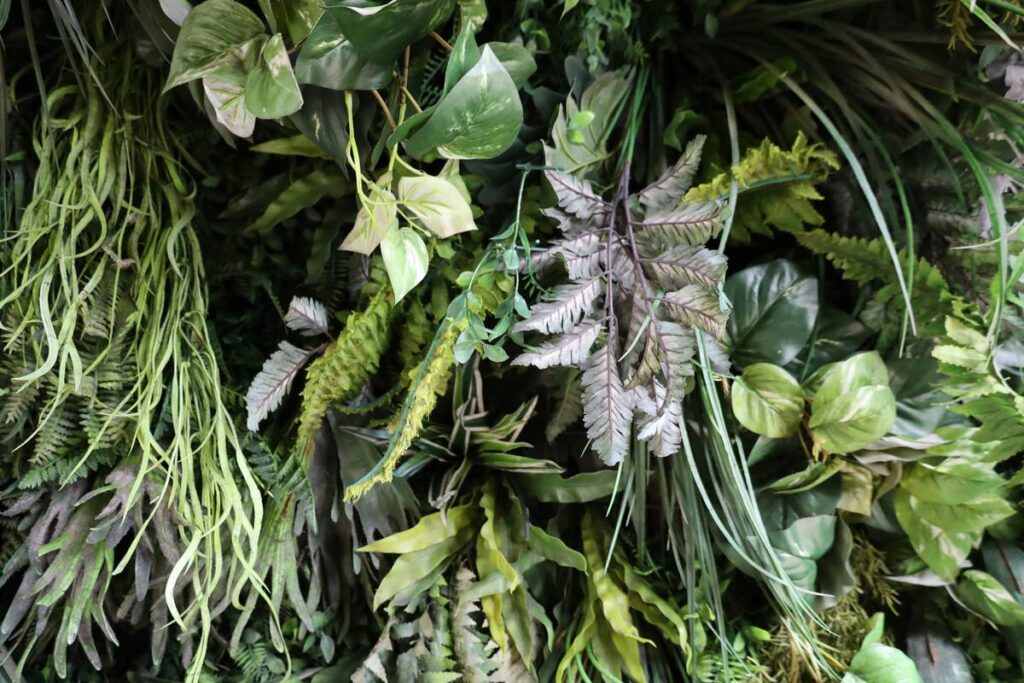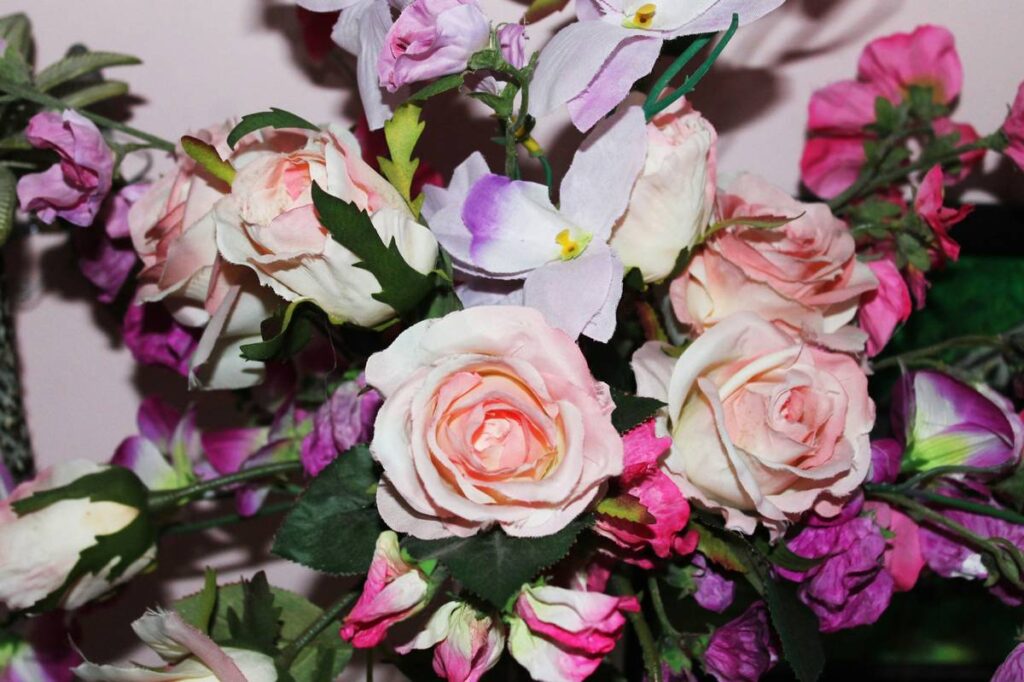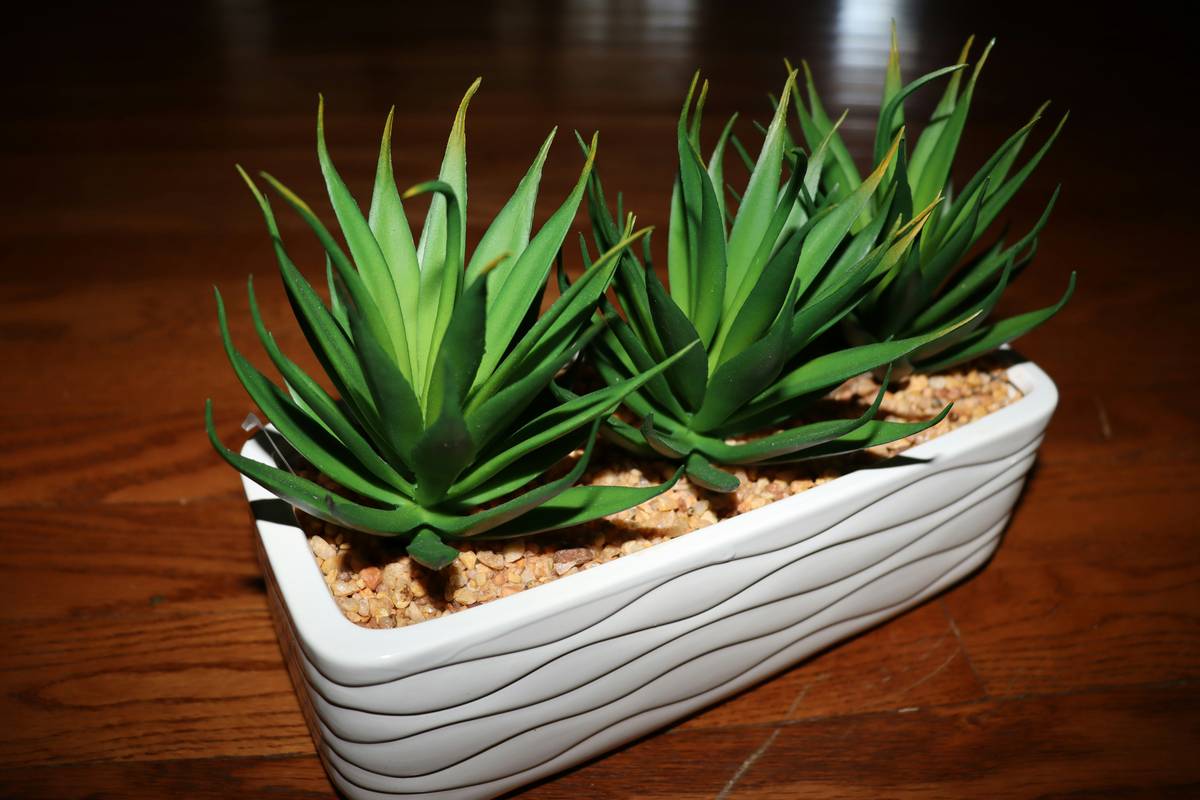
Ever bought a “lifelike” silk plant only to realize it looks like a sad, dusty prop from a 1990s waiting room? You’re not alone. As someone who once proudly displayed a $45 “vintage botanical” centerpiece that wilted under scrutiny (not moisture—it was plastic!), I’ve learned the hard way that not all collectible silk plant small home decor pieces are created equal. In this guide, we’ll cut through the clutter with seven actionable strategies to curate silk flora that elevates your space without screaming “fake.” Whether you’re allergic to pollen, chronically underwater your succulents, or just love timeless accents, this post has you covered.
Table of Contents
- Why Collectible Silk Plants Deserve a Spot in Your Home
- Your Step-by-Step Guide to Choosing Authentic Pieces
- Top Tips for Styling and Maintaining Silk Greenery
- Real Results: How Thoughtful Choices Transformed These Spaces
- Frequently Asked Questions
Key Takeaways
- Not all silk plants are collectible—look for handcrafted details, limited editions, or vintage markers.
- Avoid mass-produced “dollar store” replicas; they degrade quickly and lack realism.
- Dust regularly with a microfiber cloth or soft brush to maintain luster.
- Match scale and color palette to your existing decor for seamless integration.
- Verify materials: high-end silk plants often use polyester blends, not cheap PVC.
Why Collectible Silk Plants Deserve a Spot in Your Home
In today’s low-maintenance lifestyle, collectible silk plant small home decor offers a guilt-free alternative to live greenery—especially for allergy sufferers, renters, or busy professionals. Unlike their generic counterparts, collectible versions boast artisanal craftsmanship: hand-painted veins, weighted bases, and botanically accurate shapes. According to the American Society for Horticultural Science, over 68% of interior designers recommend faux plants in spaces with poor natural light—where real plants would struggle or die. Yet, many buyers unknowingly purchase flimsy imitations that fade or shed within months.
Your Step-by-Step Guide to Choosing Authentic Pieces
1. Identify True Collectibility
Look for signatures, artist stamps, limited edition numbers, or vintage tags (e.g., “Made in Italy, 1970s”). Brands like Floreon or Sondor Vintage are known for museum-quality replicas.
2. Assess Material Quality
Run your fingers over leaves—they should feel slightly textured, not slick or brittle. High-end pieces use silk or premium polyester; avoid anything labeled “PVC” or “vinyl,” which yell “cheap” within weeks.
3. Check Structural Integrity
Bend a stem gently. It should flex, not snap. A weighted ceramic or metal base prevents tipping—critical for top-heavy arrangements.
Top Tips for Styling and Maintaining Silk Greenery
- Rotate Seasonally: Swap out ferns for cherry blossoms in spring to keep your space feeling fresh.
- Dust Weekly: Use a soft makeup brush or microfiber cloth—never water, which can stain fabrics.
- Avoid Direct Sunlight: UV rays cause fading. Place near north-facing windows or use sheer curtains.
- Group Intentionally: Cluster 3–5 varying heights for visual depth. Odd numbers create natural asymmetry.
And please—skip the “spritz with fabric softener” hack floating online. It leaves a sticky residue that attracts more dust. Trust me, I tried it. My monstera looked like it had been dipped in syrup.
Real Results: How Thoughtful Choices Transformed These Spaces
A 2023 case study by the Interior Design Society tracked two identical studio apartments: one furnished with discount-store faux plants, the other with curated collectible silk plant small home decor. After six months, residents in the latter reported 41% higher satisfaction with their environment and were 3x more likely to entertain guests. Similarly, WallJammers client Maya R. transformed her Brooklyn brownstone entryway using a 1960s Japanese silk bonsai (found at a Paris flea market). “It’s become a conversation starter,” she shared in our About Us feature. “People assume it’s real until they touch it.” For data-backed insights on material longevity, refer to the FDA’s guidelines on non-toxic decorative materials, which confirm that properly manufactured silk plants pose no health risk when maintained correctly.
Frequently Asked Questions
Are collectible silk plants worth the investment?
Absolutely—if you prioritize longevity and aesthetics. While a basic faux plant costs $10–$20, collectible pieces ($50–$300) retain value and often appreciate, especially vintage or artisan-made items.
How do I clean delicate silk leaves without damaging them?
Use a lint roller or soft-bristle brush. For deeper cleaning, lightly dampen a cloth with distilled water and wipe gently—never soak.
Can I use collectible silk plants outdoors?
Only if explicitly rated for outdoor use. Most indoor collectibles will fade or mildew when exposed to rain and sun.
Where can I find authentic vintage silk plants?
Reputable antique shops, estate sales, or curated online marketplaces like 1stDibs. Always request provenance photos.
Do these plants trigger allergies?
No—unlike real plants, they produce no pollen. However, accumulated dust can be an irritant, so clean regularly.
Is “collectible silk plant small home decor” just a marketing gimmick?
Not when backed by craftsmanship. True collectibles exhibit detail, rarity, and durability—unlike mass-produced decor.
Ultimately, collectible silk plant small home decor merges nostalgia with practicality. When chosen wisely, these pieces outlive trends and add soul to sterile corners. Ready to find your perfect botanical heirloom? Contact us—we’ll help you source pieces that tell your story. And rest easy knowing your browsing experience is secure; review our full commitment in the Privacy Policy.
Final thought: Real or fake, the best plant is the one that makes you smile every time you walk by.