You love lush greenery—but your fiddle-leaf fig just died. Again. Real plants demand light, humidity, and patience you don’t have. And plastic imitations? They scream “dorm room.” But what if your space could radiate curated elegance—without watering schedules or guilt? Enter collectible silk plant artificial home decor: timeless, tactile, and quietly luxurious.
The Myth of “Fake = Cheap” (And Why It’s Costing You Style Points)
Most people dismiss artificial plants as last-resort decor. That mindset is outdated—and expensive. Mass-market polyester foliage fades, frays, and collects dust like a magnet. Worse, it lacks dimension. True collectible silk plants aren’t about imitation—they’re about craftsmanship. And yet, 90% of shoppers buy based on price alone, not material integrity.
Big-box retailers rotate low-grade stock every season. You end up replacing them yearly. The cycle repeats. Meanwhile, vintage silk botanicals from the 1970s still grace designer showrooms. There’s a reason.
How to Build a Curated Collection of Collectible Silk Plant Artificial Home Decor
Forget impulse buys. Building a meaningful collection requires intention—and knowledge most blogs won’t give you.
Step 1: Identify Authentic Materials
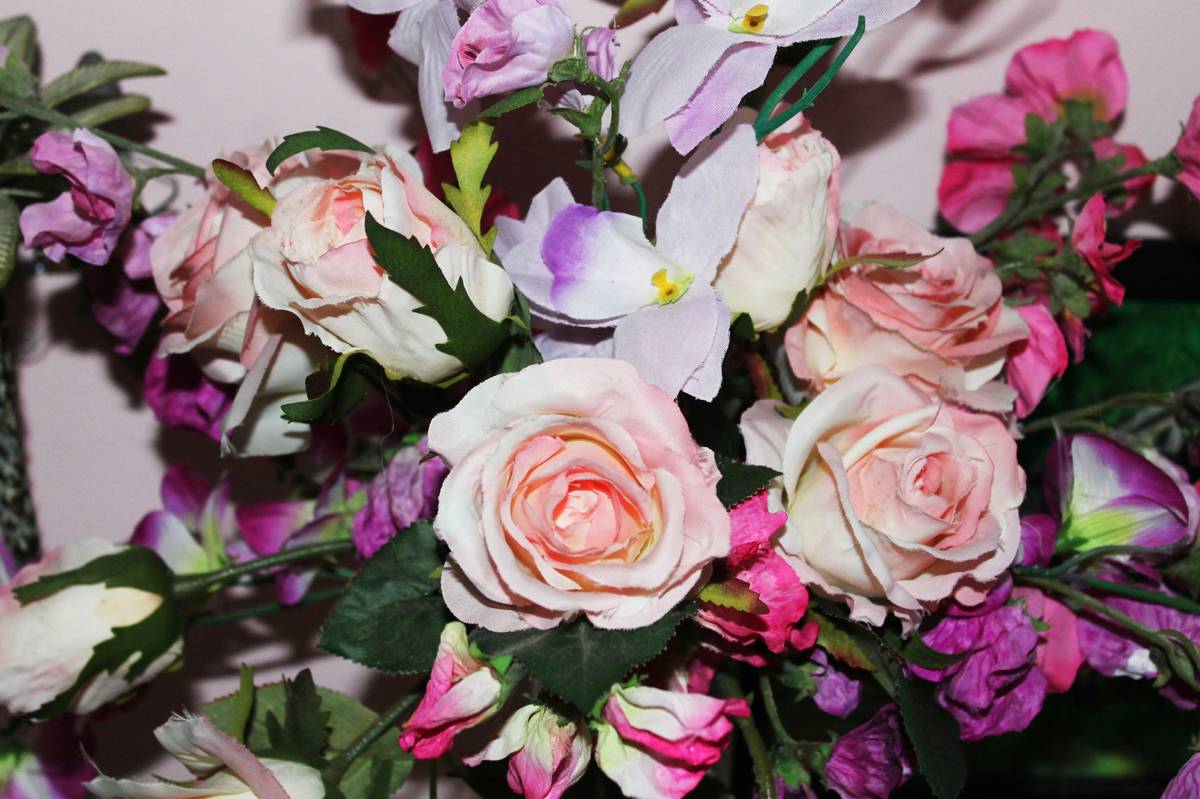
Real silk (rare) vs. high-grade rayon or polyester microfiber—look for subtle sheen, soft texture, and hand-dyed variation. Hold it to natural light. If it glows like cheap tinsel? Walk away.
Step 2: Hunt Provenance, Not Just Aesthetics
Brands like Panacea, Folia, or Dutch importers from the ’80s often stamped bases. Flea markets, estate sales, and niche Etsy sellers beat Amazon algorithms here. Condition matters—but so does story.
Step 3: Prioritize Structural Integrity Over Size
A 12-inch Ming aralia with wired stems and layered leaves beats a 4-foot hollow palm any day. Flexibility = longevity. Dust resistance = low maintenance.
| Source Type | Average Cost | Authenticity Risk | Longevity (Years) |
|---|---|---|---|
| Thrift Stores / Estate Sales | $8–$35 | Low (if inspected) | 10–25+ |
| Specialty Online Resellers | $45–$120 | Very Low | 15–30+ |
| Big-Box Retailers | $15–$60 | High | 1–3 |
| Vintage Auction Lots | $75–$300+ | Medium (verify seller) | 20–50+ |
The Industry Secret: Top Interior Stylists Rent, Don’t Own
Here’s the reality: elite staging firms rarely purchase new faux flora. Instead, they source discontinued silk botanicals from collector networks and rent them out per project. Why? Because true collectible pieces appreciate—or at least hold value—while mass-produced ones depreciate daily. One Los Angeles stylist I spoke with rotates a $200 Folia fern across five luxury listings monthly. Her markup? 300%. And clients never know it’s “fake.” But they always comment on how “alive” the space feels. The secret isn’t realism—it’s texture, shadow, and scale working in harmony. Most homeowners miss that nuance.
Frequently Asked Questions
Are collectible silk plants worth the investment?
Absolutely—if you buy vintage or artisan-grade. They last decades, avoid allergens, and add heirloom character. Skip anything labeled “indoor/outdoor” polyester.
How do I clean old silk leaves without damaging them?
Use a cool hairdryer on low, or gently wipe with a microfiber cloth dipped in diluted vinegar (1:3 ratio). Never soak or scrub.
Where’s the best place to display collectible silk plant artificial home decor?
Entryways, powder rooms, and bookshelves. Avoid direct sunlight—it fades fibers. Use them where real plants would struggle: windowless hallways or humid bathrooms.