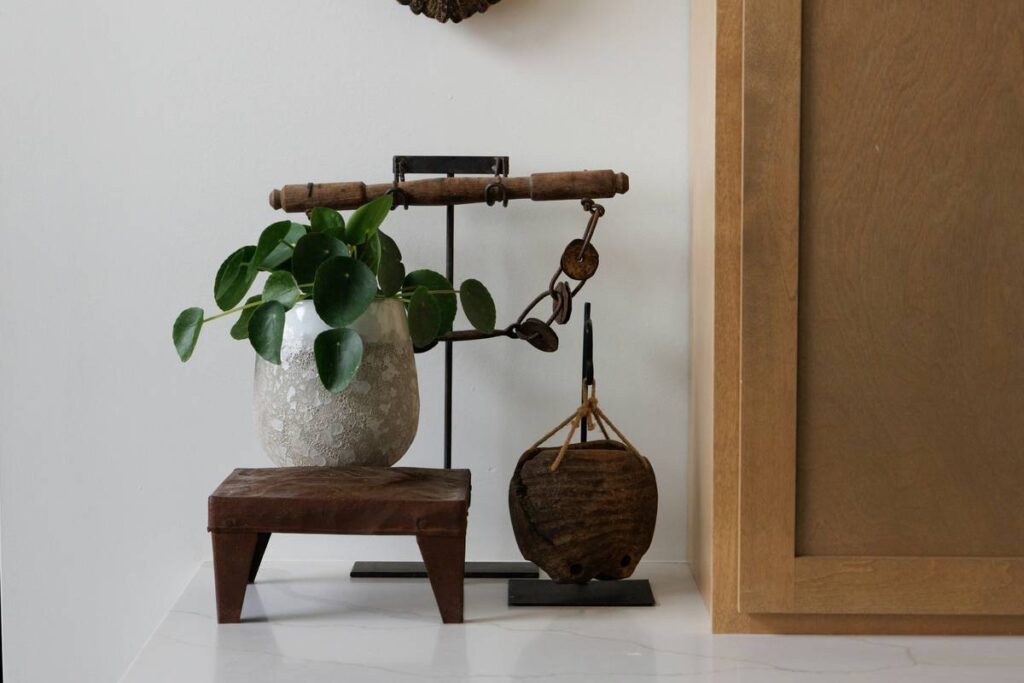
You spent hours picking real plants. Watered them religiously. Watched them wilt anyway. Again. The emotional toll of dead fiddle-leaf figs is real—and expensive. But here’s the truth: with the right fake plants room decor, your space can look lush, vibrant, and effortlessly stylish—without the guilt, the mess, or the daily anxiety.
Why Most Fake Plants Look Cheap (And Kill Your Vibe)
Most people grab the first plastic-looking monstera they see at a big-box store. Then wonder why their living room screams “temporary Airbnb.” Texture matters more than color. Shape matters more than size. And dust? It’s the ultimate tell.
Realism isn’t about perfection—it’s about imperfection. Real leaves droop slightly. They curl. They have subtle gradients—not flat, saturated greens stamped by machines. Skip anything with glossy finishes or unnaturally symmetrical foliage. That’s not decor—that’s decoration theater.
How to Choose & Style Fake Plants That Actually Elevate Your Space
Start with Material: Silk vs. Polyethylene vs. Foam
Silk used to be king—but modern high-density polyethylene (HDPE) mimics leaf veins and thickness far better. Foam? Only for oversized statement pieces where detail gets lost from a distance.
Pick the Right Species for the Room
A 6-foot fake palm dominates a bedroom but disappears in a double-height entryway. Snake plants? Perfect for tight corners and low-light zones—they look intentional even when static. Ferns demand airflow illusion; pair them near windows or ceiling fans.
Hide the Pot (Seriously)
That flimsy black nursery pot kills credibility. Transfer your fake plant into a textured ceramic, woven rattan, or matte cement planter. Bonus: weight it slightly with gravel so it doesn’t tip. Stability reads as authenticity.
| Plant Type | Best Room | Material Recommendation | Avg. Price Range |
|---|---|---|---|
| Fiddle Leaf Fig | Living Room | HDPE with hand-painted undersides | $80–$220 |
| Snake Plant | Bedroom / Office | Mixed silk-HDPE blend | $35–$90 |
| Trailing Pothos | Shelves / Bathrooms | Soft-touch PVC with variegated tips | $25–$60 |
| Olive Tree | Sunroom / Dining Area | Real wood trunk + HDPE leaves | $120–$300 |
The Industry Secret: Dust Is Your Secret Weapon
Here’s what no one tells you: pristine = fake. Slightly dusty = lived-in. Lightly mist your fake plants every few weeks, then dab with a microfiber cloth—don’t wipe. You’re not cleaning; you’re aging them. Add a single bent leaf. Tuck a dried twig near the base. These “flaws” signal organic history.
And placement? Never center it. Real plants grow toward light—so angle yours slightly off-axis, as if reaching for a window that may or may not exist. The math is simple: asymmetry equals authenticity.

FAQ
Do fake plants make a room look cheap?
No—if you choose high-quality materials (like HDPE) and avoid glossy, symmetrical designs. Cheapness comes from poor texture and lazy placement, not the fact they’re artificial.
Where should I put fake plants in my home?
Focus on areas with challenging light: north-facing corners, bathrooms without windows, or shelves above radiators. They thrive where real plants would struggle—and that’s the point.
How do I keep fake plants from looking dusty and dirty?
Dust them monthly with a soft brush or microfiber cloth. Avoid sprays—they leave residue. For deep cleans, use a hairdryer on cool setting to blow debris from dense foliage.