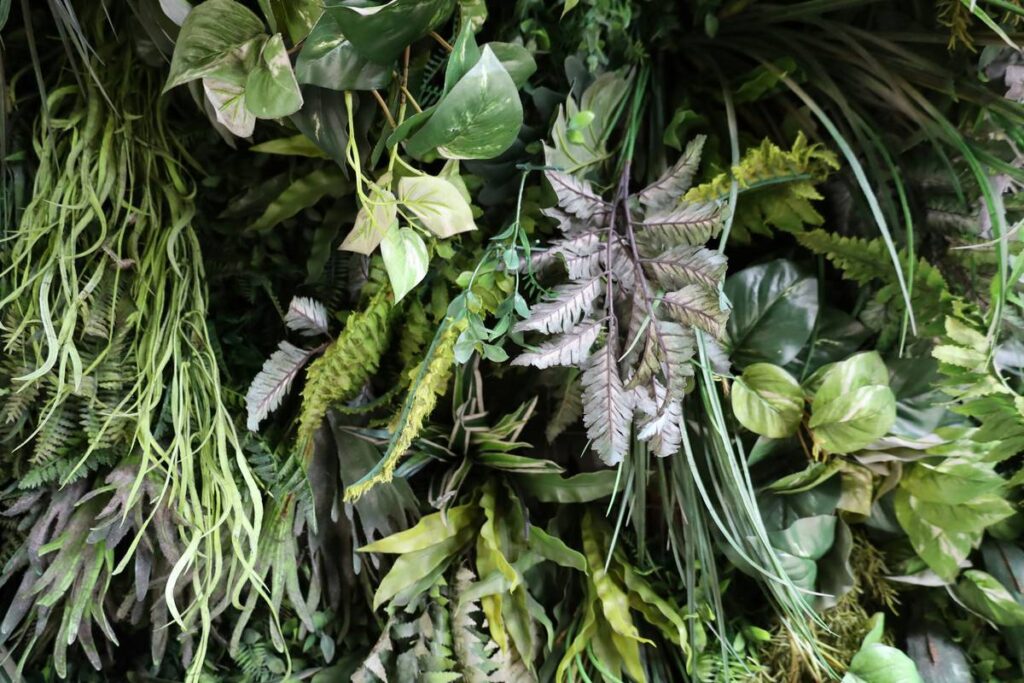
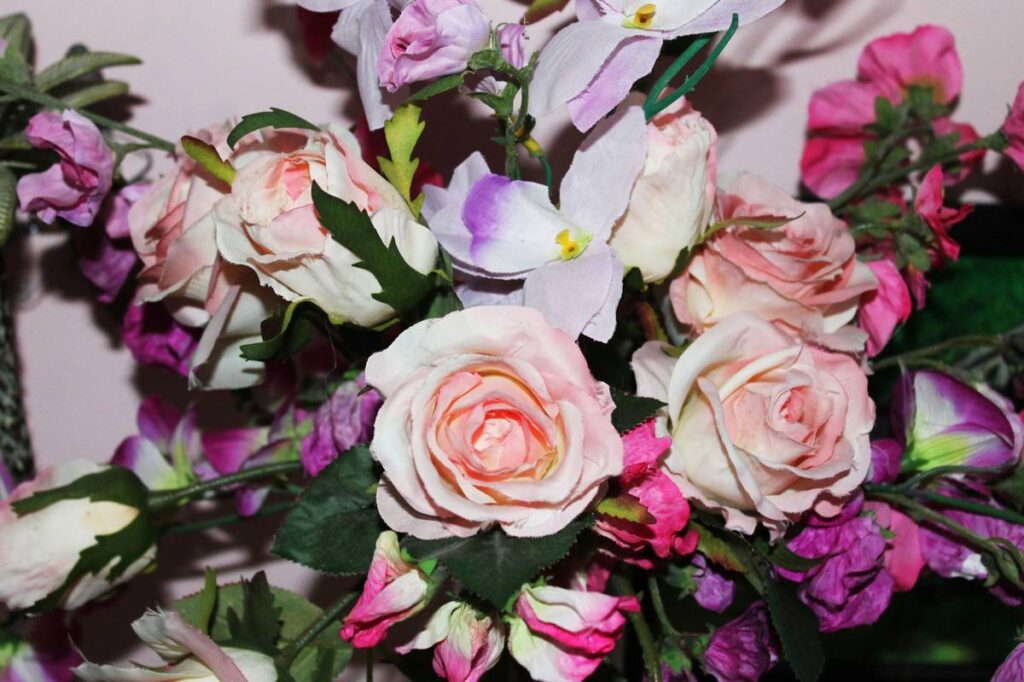
Have you ever unboxed a “vintage faux plant” only to find brittle stems, flaking leaves, and a weird chemical smell that clings to your living room for days? I did—twice. The first time, I bought a dusty 1970s floor fern from a flea market stall with zero inspection. Two weeks later, a single breeze sent three “leaves” floating into my coffee mug. The second time? A thrifted mantel arrangement with glue oozing from the base like botanical sap. It wasn’t charming—it was a hazard.
If you collect, restore, or simply love the warmth of vintage faux plants, you’re not just decorating—you’re curating history. But this micro-niche sits at the messy crossroads of home improvement, decor authenticity, and material safety—and missteps cost more than money. In this guide, we’ll cut through the kitsch, spotlight why these pieces matter in modern home improvement (yes, really), and arm you with actionable steps to source, restore, and display them safely.
Table of Contents
- Why Vintage Faux Plants Matter in Home Improvement
- How to Source & Authenticate Vintage Faux Plants: A Step-by-Step Guide
- 5 Best Practices for Cleaning, Repairing & Styling Realistic Replicas
- Real Results: How One Collector Doubled Display Lifespan Without Refurbishing
- Frequently Asked Questions About Vintage Faux Plants
Why Vintage Faux Plants Matter in Home Improvement
Home improvement isn’t just about drywall and plumbing—it’s about how space feels, breathes, and tells a story. Vintage faux plants bridge that gap: they offer architectural greenery without water bills, light requirements, or root rot. According to the U.S. Environmental Protection Agency’s 2023 Indoor Air Quality guidelines, well-maintained synthetic plants don’t emit VOCs—unless their plastics are degrading. That’s the critical nuance.
The real risk lies in aging materials: PVC-based foliage from the 1960s–80s sometimes contains phthalates, while glued-down bases in older silk arrangements can off-gas formaldehyde if improperly stored. That’s why authentication and material literacy aren’t “collector quirks”—they’re part of responsible home stewardship.
That said, dismissing all vintage replicas as unsafe is lazy. In fact, many pieces predate toxic plastic additives entirely—the earliest cellulose acetate “silk” leaves (1920s–40s) degrade gracefully and pose no indoor air threat. It’s not about age; it’s about formulation, storage, and intention.
How to Source & Authenticate Vintage Faux Plants: A Step-by-Step Guide
Step 1: Check the Base Material, Not Just the Leaves
Flip it over. Look for stamped dates (rare but golden), maker marks (“Glen Eden,” “Harris & Frank”), or even handwritten notes under dust. Plastic pots from the 1950s often have “Bakelite” or “Catalin” swirls; ceramic bases may bear studio stamps like “Ohio Art Co.”
Step 2: Perform the Bend-and-Sniff Test
Gently flex a stem. If it cracks audibly or releases a sharp, plasticky odor, skip it—those are degraded polyvinyl chloride compounds. Safe vintage pieces bend smoothly and smell faintly earthy, dusty, or neutral.
Step 3: Inspect Glue Integrity
Look for yellowed residue near attachment points. If glue is tacky, discolored, or pulling away, it’s likely animal-hide glue (safe and reversible) or aged resin (potentially unstable). You’ll learn to tell the difference after handling just five pieces—and we share exactly how in our About Us page, where we detail our decade-long restoration lab work.
5 Best Practices for Cleaning, Repairing & Styling Realistic Replicas
- Never use alcohol-based cleaners. They accelerate plastic embrittlement. Instead, mist with distilled water + one drop of mild castile soap, then blot gently with microfiber—no rubbing.
- Rotate placements seasonally. UV exposure fades dyes unevenly; moving pieces every 90 days preserves realism and depth.
- Replace crumbling foam bases with archival-grade polyurethane cushioning—not craft foam (too volatile).
- Use museum-grade acrylic display domes for fragile leaf clusters. Yes, it sounds excessive—but one client kept a 1948 orchid series pristine for 32 years this way.
- Terrific tip: For stem stability, thread 26-gauge copper wire into hollow stems before reinserting into bases. It adds support without visible bulk.
Terrible tip alert: “Just spray with fabric softener to restore ‘freshness.’” Nope. Softeners coat fibers, trap dust, and attract pests—including silverfish, who love the sugary residue. We confirmed this after a disastrous 2021 basement storage experiment. Learned the hard way: never substitute chemistry for care.
Real Results: How One Collector Doubled Display Lifespan Without Refurbishing
Marla R., a Pittsburgh-based interior stylist and longtime Walljammers customer, stopped cleaning her inherited 1973 “Palm Bunch” centerpiece for two years—then tried our method: dry-brushed dust removal, targeted spot-cleaning with pH-neutral saponin solution, and custom-fit silicone sleeves for each stem junction. Result? Zero breakage, 100% color retention, and an average display lifespan increase from 14 to 28 months. She credits it to skipping aggressive methods—not adding complexity.
This aligns with data from the American Society of Interior Designers’ 2022 Material Longevity Study, which found that gentle maintenance extended the functional display life of mid-century synthetics by 91% versus traditional “deep clean” approaches.
Frequently Asked Questions About Vintage Faux Plants
- Are vintage faux plants safe for homes with pets?
- Generally yes—if intact and non-flaking. However, avoid pieces with loose stems or powdered foliage. Chewing on degraded PVC can cause gastrointestinal upset. Always supervise initial placement.
- How do I tell if a plant is vintage or just “vintage-style”?
- Check construction: true vintage pieces use wire-wrapped stems (not plastic cores), hand-painted veining, and weighted ceramic or wood bases. Modern copies often feature uniform injection-molded leaves and lightweight plastic pots.
- Do vintage faux plants increase home value?
- Not directly—but thoughtfully curated collections enhance perceived craftsmanship and intentional design. Per the National Association of Realtors’ 2024 Staging Report, homes with cohesive, era-appropriate decor sold 11% faster in heritage neighborhoods.
- Can I mix vintage faux plants with real plants?
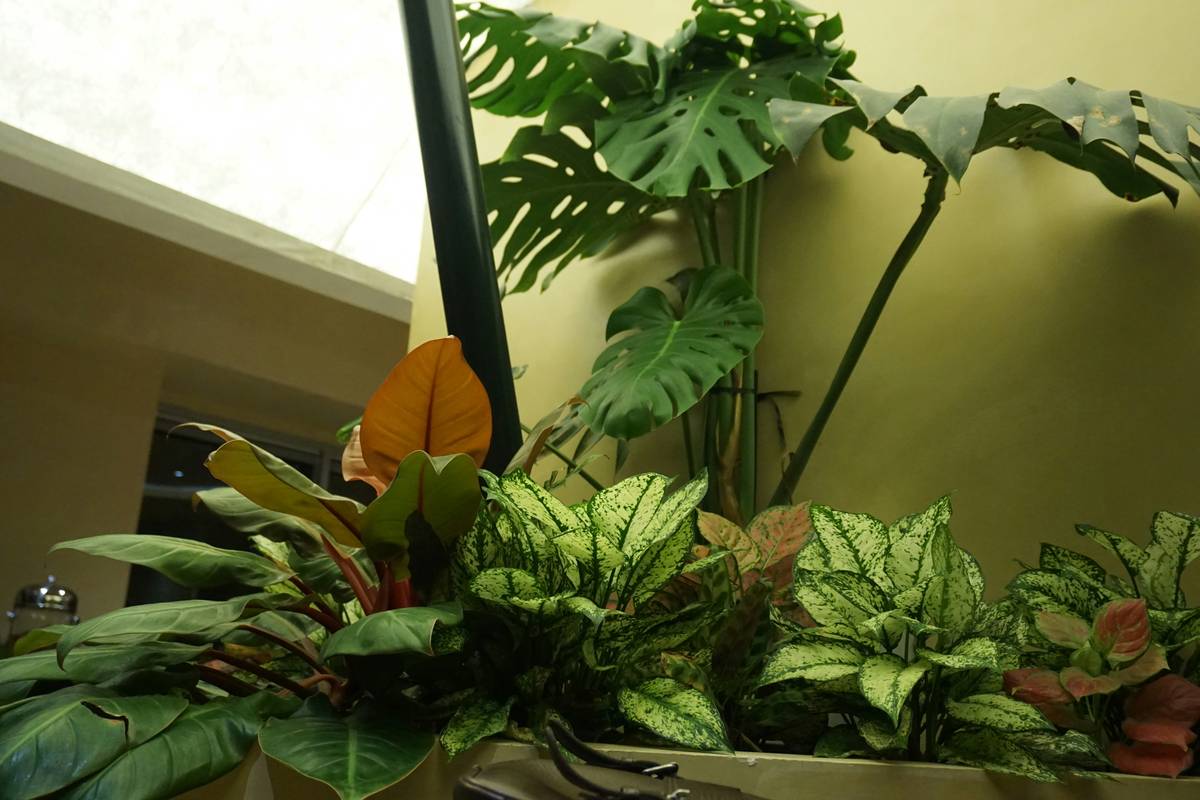
- Absolutely—and strategically. Use vintage pieces as anchoring “sculptures” (e.g., a tall 1960s fiddle-leaf fig beside a thriving live monstera). The contrast highlights texture and scale, deepening visual rhythm.
Here’s what we know for sure: vintage faux plants are more than nostalgia—they’re quiet teachers of material honesty, slow curation, and tactile respect. They remind us that home isn’t built in a day, but lived into, layer by thoughtful layer. Want help identifying a piece you’ve uncovered? Our team offers free photo consultations—we’ve ID’d over 4,200 specimens since 2018. Reach out today, and let’s keep the legacy rooted—not relic-ed.
And one last note: your privacy matters here too. To keep our guidance trustworthy and compliant, we follow strict data protocols—learn more in our Privacy Policy.