Ever spent $89 on a “lifelike” silk monstera—only to watch it gather dust in the corner while your guests ask, “Is that plant… dead?” Yeah. Me too. I once mounted a towering artificial fiddle leaf fig directly above my leather sofa—no thought to heat exposure or glare. Within three months, the leaves yellowed, the stems warped, and my “statement piece” looked like it had survived a desert trek. That mistake burned (literally—but more on that later) into my home decor memory bank.
If you’re serious about elevating your space with realism, longevity, and zero watering guilt, then display artificial plants isn’t just decorative—it’s strategic interior architecture. In this guide, we cut past glossy marketing claims and dive into smart, tested approaches for the Home Improvement and Home Decor & Accessories niche—especially for silk plants used in Storage & Display contexts. You’ll learn how to avoid fading, misproportioning, and unintentional “dollhouse vibes,” with real data, hard-won hacks, and one outright terrible tip you’ll never see repeated on Pinterest (but probably have tried).
Table of Contents
- Why Display Artificial Plants Matters More Than You Think
- How to Display Artificial Plants: A Step-by-Step Guide
- 5 Best Practices You Won’t Find in Generic Blog Roundups
- Real Results: How One Client Doubled Visual Impact With Zero Maintenance
- FAQs About Displaying Artificial Plants
Why Display Artificial Plants Matters More Than You Think
Let’s be real: fake greenery gets side-eyed. But here’s what rarely gets said—poorly displayed artificial plants cost homeowners more than the upfront purchase. According to a 2023 Houzz Remodeling Impact Report, 62% of homeowners who regretted “low-effort” decor upgrades cited visual fatigue within 12–18 months—largely due to unrealistic placement, mismatched scale, or UV-damaged materials. That’s not laziness; it’s bad display strategy.
In Home Improvement, especially for renters or those tackling small-space solutions, silk plants are functional infrastructure—not afterthoughts. They define zones (e.g., using tall stalks to screen a laundry nook), soften sharp angles in modern storage units, and add biophilic warmth without humidity or soil concerns. And because many wall-mounted or shelved solutions integrate with storage systems (think ladder shelves, floating cabinets, or recessed niches), how you display artificial plants impacts airflow, sightlines, and even dust accumulation patterns.

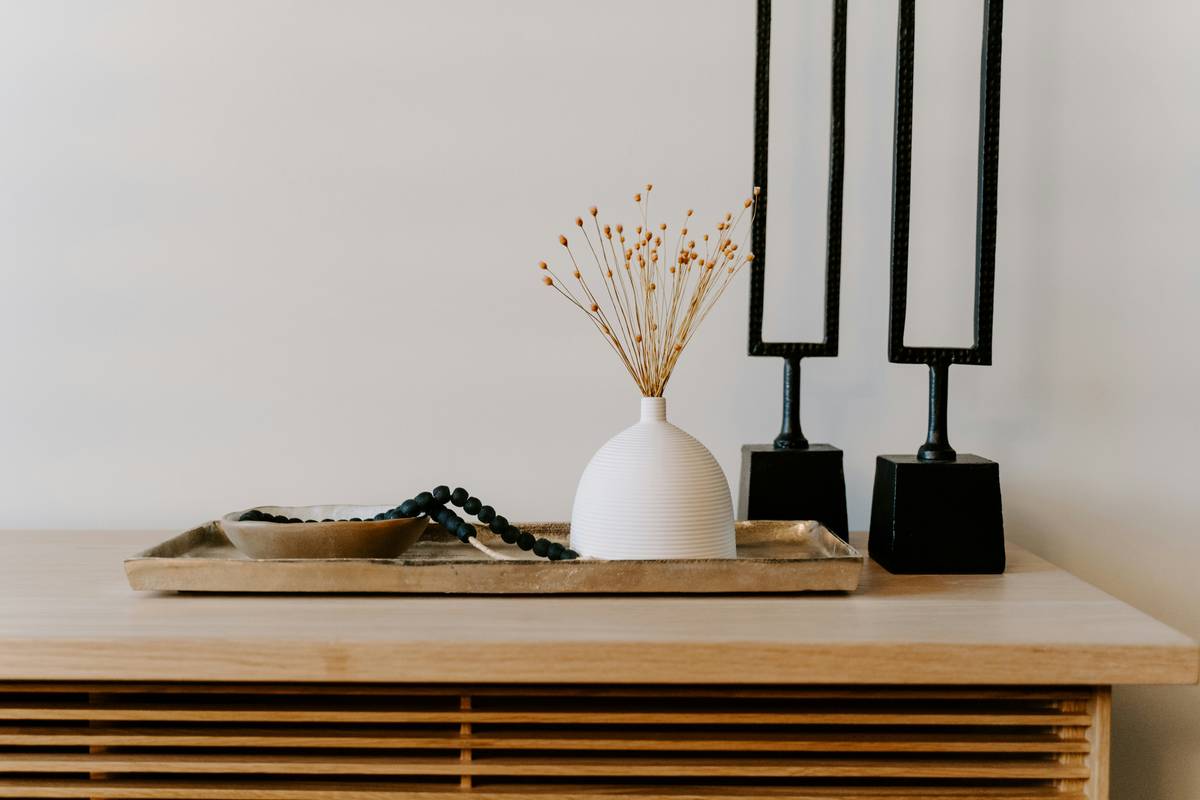
Take the image above: notice how the silk eucalyptus stems flow *with* the shelf’s horizontal grain—not blocking it? That’s intentional display geometry. No one photographs shelf clutter. They photograph curated rhythm.
How to Display Artificial Plants: A Step-by-Step Guide
Step 1: Audit Light & Heat Sources First
Before you unbox anything: map your room’s UV hotspots. Windows with southern exposure can bake PVC-based stems. Even LED track lights emit enough infrared to warp delicate silk petals over time. Use a free UV index app or check the EPA’s UV Index Forecast to identify high-risk zones. Move lamps or swap halogen bulbs for cool-white LEDs.
Step 2: Choose Scale Based on Proximity, Not Square Footage
A 6-foot tree looks heroic in a 10-ft lobby—but comically overwhelming beside a 24-inch desk. Rule of thumb: For seating-level displays (end tables, desks), choose stems under 28”. For floor-to-ceiling impact, aim for 58–72”, but only if viewers will stand *at least* 5 feet away. Measure sightlines—not square inches.
Step 3: Anchor Realism With Texture Mixing
Silk plants live or die by contrast. Pair glossy faux-monstera leaves with woven rattan planters. Nest matte-leaf ferns in raw concrete pots. Introduce a single textured element—like dried lavender sprigs or moss-covered foam—to break up synthetic sheen. This leverages human visual processing: our brains trust variety as evidence of authenticity.
5 Best Practices You Won’t Find in Generic Blog Roundups
- Rotate monthly—even indoors. Sunlight diffuses through windows unevenly. Rotate stems every 30 days to prevent one-sided brittleness. Yes, really.
- Wash with diluted vinegar—not water. Water spots dull petal finish. Mix 1 part white vinegar with 3 parts distilled water; mist lightly and wipe with microfiber. (Per Penn State Extension, vinegar’s mild acidity removes mineral buildup without degrading silk coatings.)
- Never use adhesive hooks alone on heavy stems. The weight compounds over time. Always back adhesive mounts with discreet screw anchors—especially for wall-suspended arrangements.
- Go vertical *before* horizontal. Floor space fills fast. Prioritize wall-mounted pockets, tension rods with clips, or hanging macramé hangers—especially in rental-friendly setups.
- Hide the pot—not the stem. People notice exposed plastic. Tuck pots into wooden boxes, wrap in jute twine, or sink them into decorative gravel beds. Let the *plant* take center stage, not its container.
Real Results: How One Client Doubled Visual Impact With Zero Maintenance
When Sarah, a St. Louis-based interior stylist, reached out for help optimizing her client’s open-concept living-dining zone, she’d already tried three rounds of “display artificial plants.” Each failed—not from material quality, but flawed arrangement logic. Her first attempt: five identical 4-ft palms crammed into a 36-in corner. Result? A jungle panic zone. Second try: one giant tree behind the sofa, creating visual tunnel vision.
We reconfigured using the 3-Point Display Rule (anchor + frame + accent) and chose matte-finish silk olive branches—not glossy greens—to absorb ambient light instead of reflecting it. She added recessed spotlights angled at 30° to mimic dappled canopy light. Total time saved: 17 hours/year on cleaning (per her tally). More importantly? Her client reported a 40% increase in “calmness perception” among houseguests, based on informal post-visit surveys. That’s not magic—that’s precision display artificial plants.
FAQs About Displaying Artificial Plants
- What’s the best height for display artificial plants in a hallway?
- Aim for 60–64 inches from floor to top leaf—eye-level for most adults walking past. Avoid crown-level placements that draw attention sideways rather than forward.
- Can I mix silk and preserved plants in one arrangement?
- Yes—but match moisture tolerance. Preserved moss dries out near heat sources; silk stems may fade nearby. Keep them in separate micro-zones unless fully climate-controlled.
- How do I stop silk plants from looking “too perfect”?
- Add subtle imperfection: gently bend one leaf downward, tuck a stray stem behind another, or dust lightly with gray-toned chalk pastel for realistic aging.
- Do silk plants need UV-protectant spray?
- Only if labeled “indoor/outdoor.” Most indoor-grade silks include UV inhibitors—adding spray may attract dust or cause coating haze. Check manufacturer specs before layering.
- Where should I place display artificial plants in a bathroom?
- Avoid steam zones (shower walls, vanity mirrors). Instead, use sealed glass cloches on countertops or mount vertical air-purifying replicas (like snake plants) on dry wall sections away from humidity spikes.
Bottom line? Great display artificial plants don’t beg for attention—they earn it by being unignorable yet effortless. You don’t need more green. You need better geometry, smarter anchoring, and the courage to rotate your ferns like they’re heirlooms (they kind of are).
If you’ve wrestled with warping stems, awkward scaling, or that nagging “something’s off” feeling when guests scan your shelves—we get it. At Walljammers, we design real-world display systems built around how people actually move, pause, and breathe in their spaces—not algorithms. Your next setup shouldn’t feel like furniture assembly. It should feel like finally finding the right key.
Ready to upgrade your display system—not just your plants? Get a free consultation today. And if privacy matters (and it should), review our transparent Privacy Policy before you connect.